
Sturdy PE spill trays from LaCont
Plastic spill trays
Compliance-based safety for your hazardous substances storage
Our spill trays made from PE (high-quality polyethylene) offer the ideal solution for the compliant storage, filling and internal transport of water-polluting liquids, acids and alkalis.
All models comply with the AwSV and offer certified safety in accordance with the current testing standards of the DIBt Berlin
Table of Contents
Table of Contents
Robust spill pallets made of PE
Our high-quality spill pallets made of PE offer reliable protection and safety for your company.
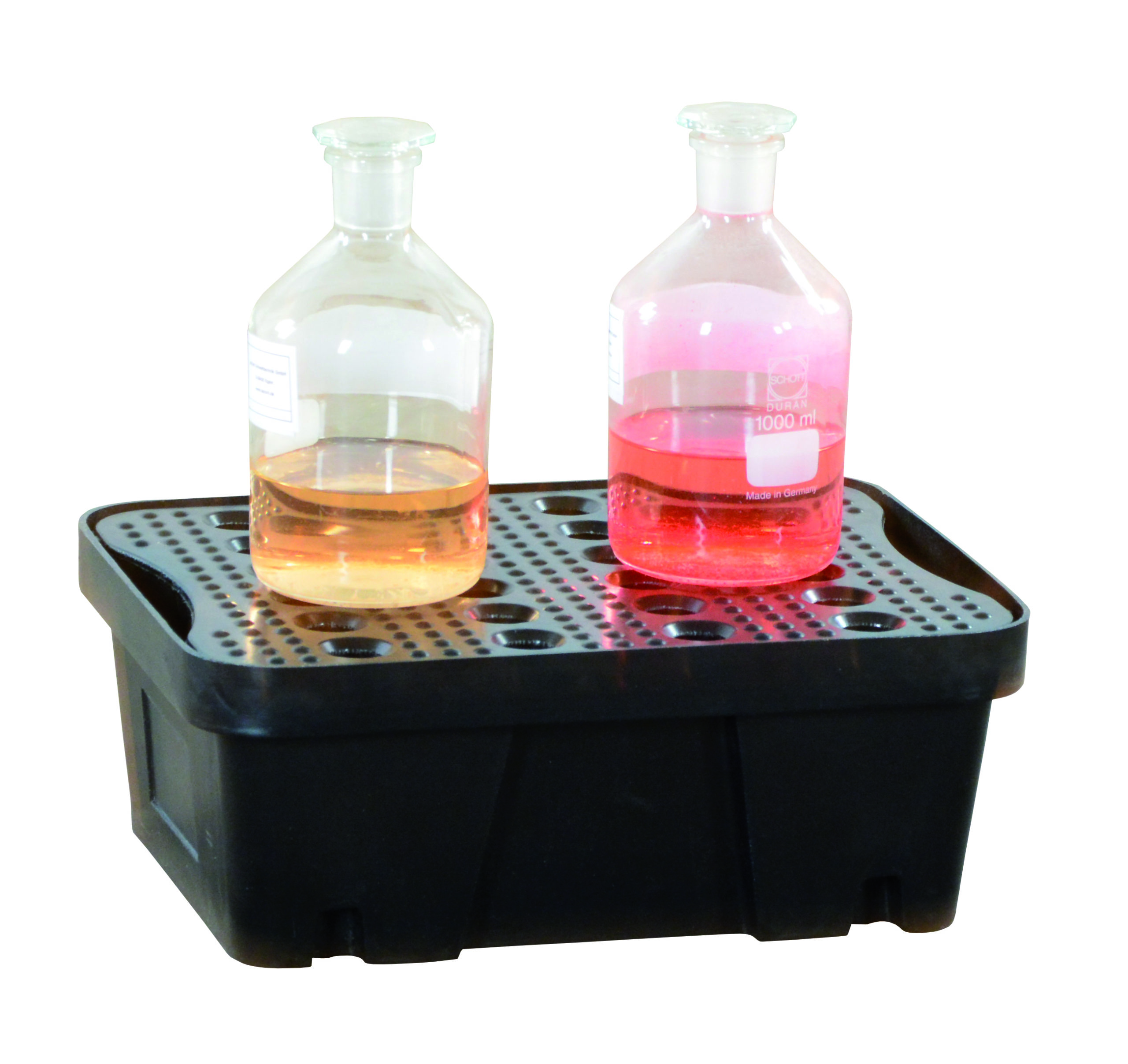
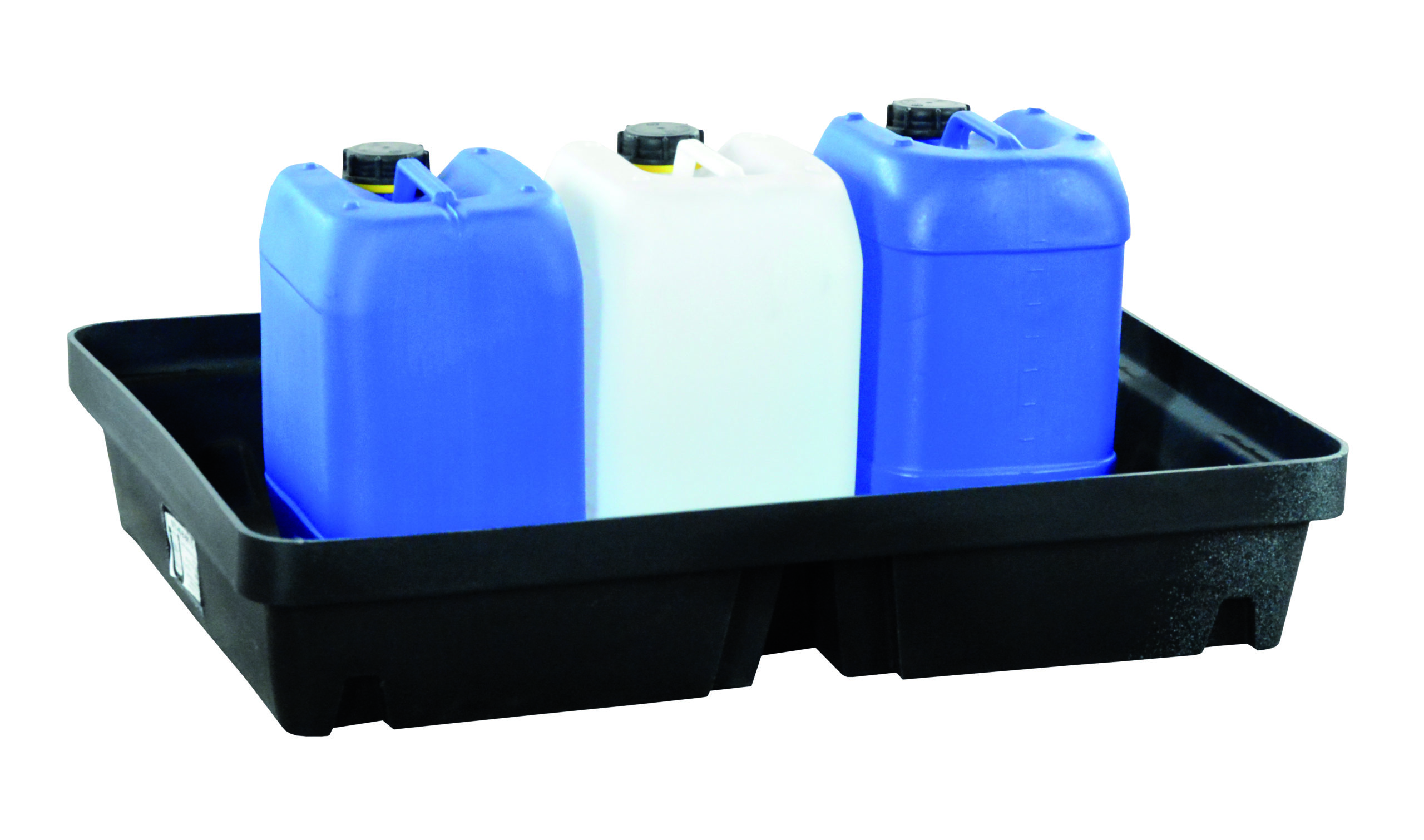
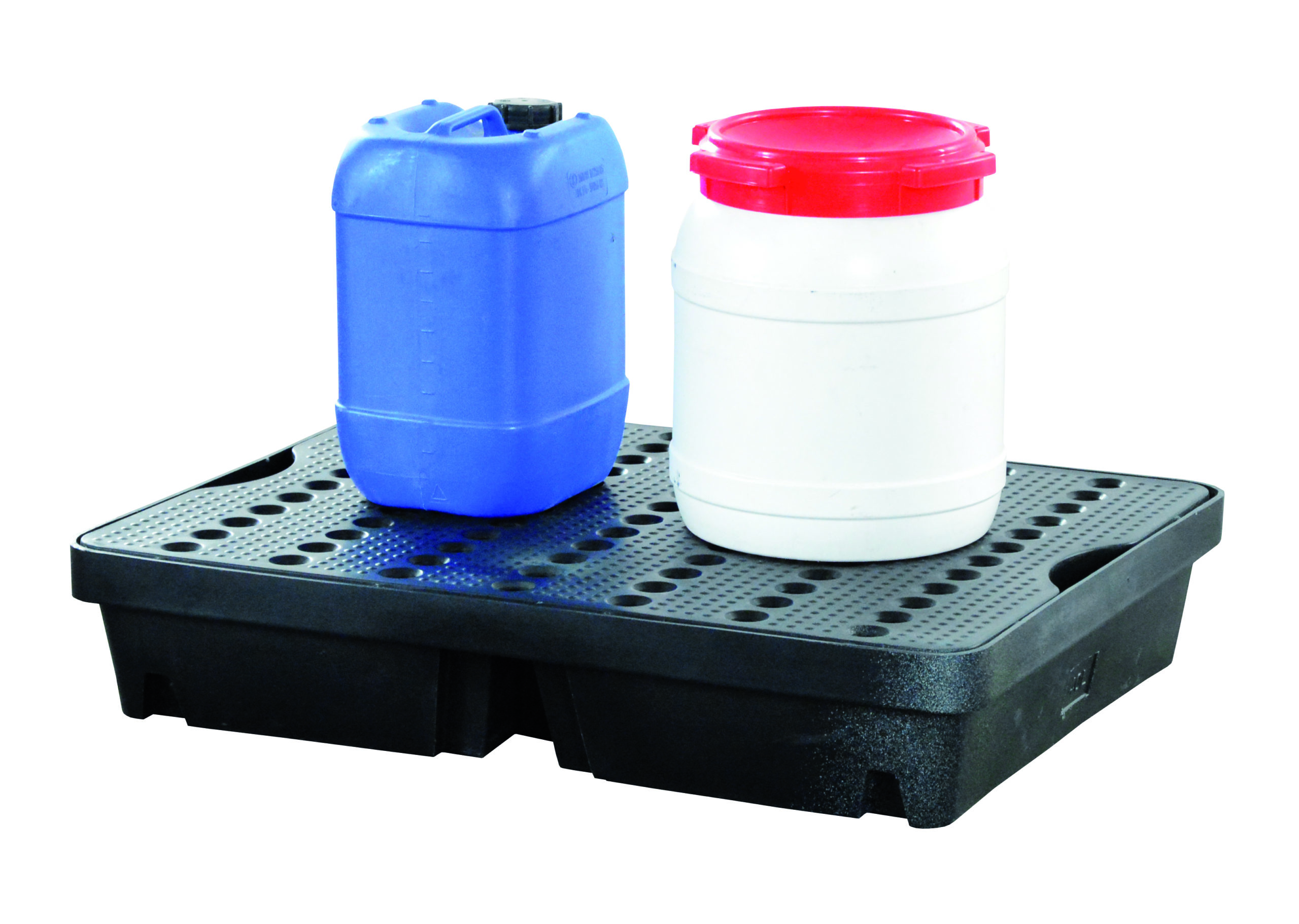
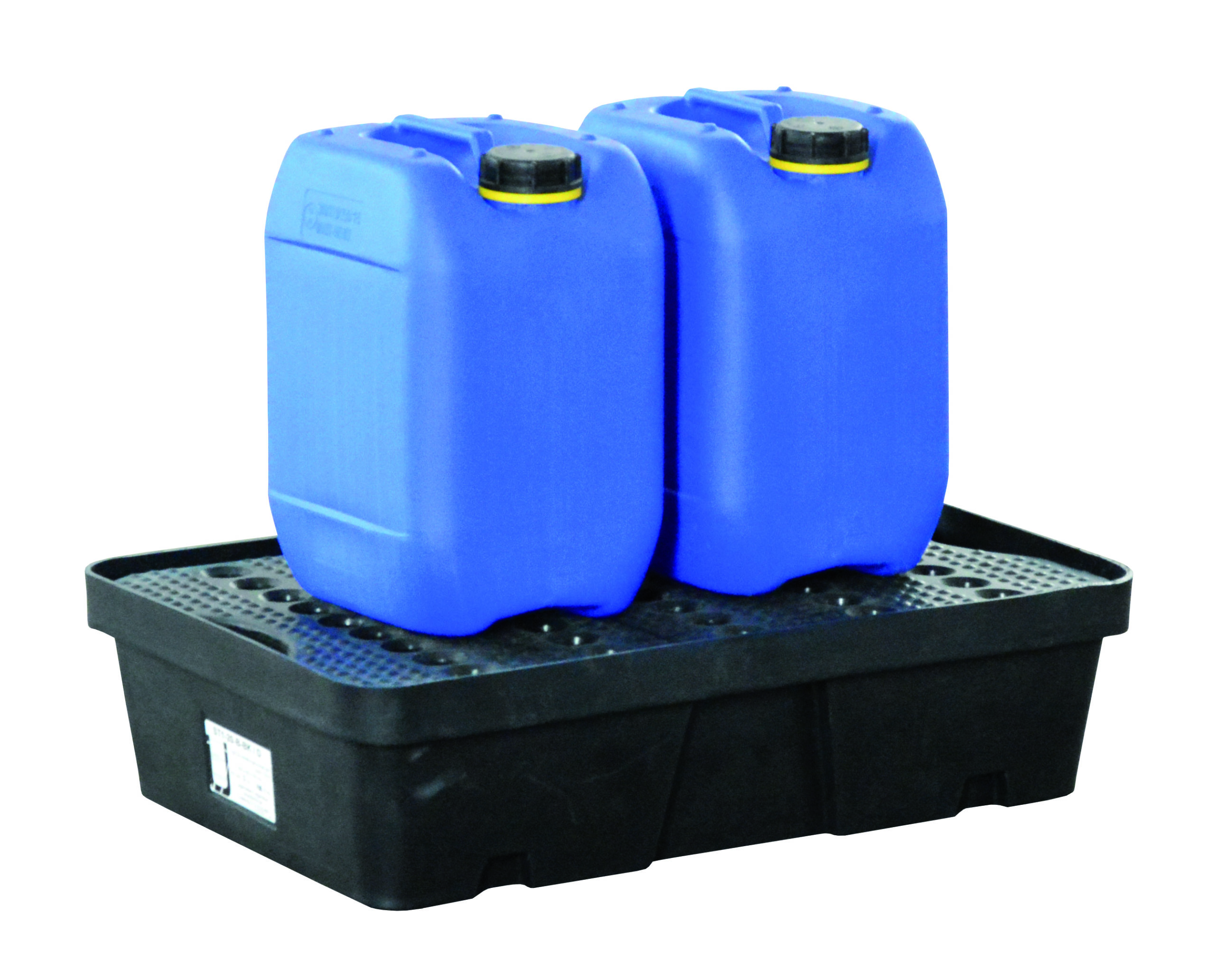
PE – Trays for storing small containers and canisters
For the storage of water-polluting and corrosive substances
- Rotationally moulded tub body made of black PE
- Place flat on the floor, on Euro pallets or on work tables and workbenches
- Shelf made from perforated PE sheet
- Also available without a shelf level for direct placement of containers
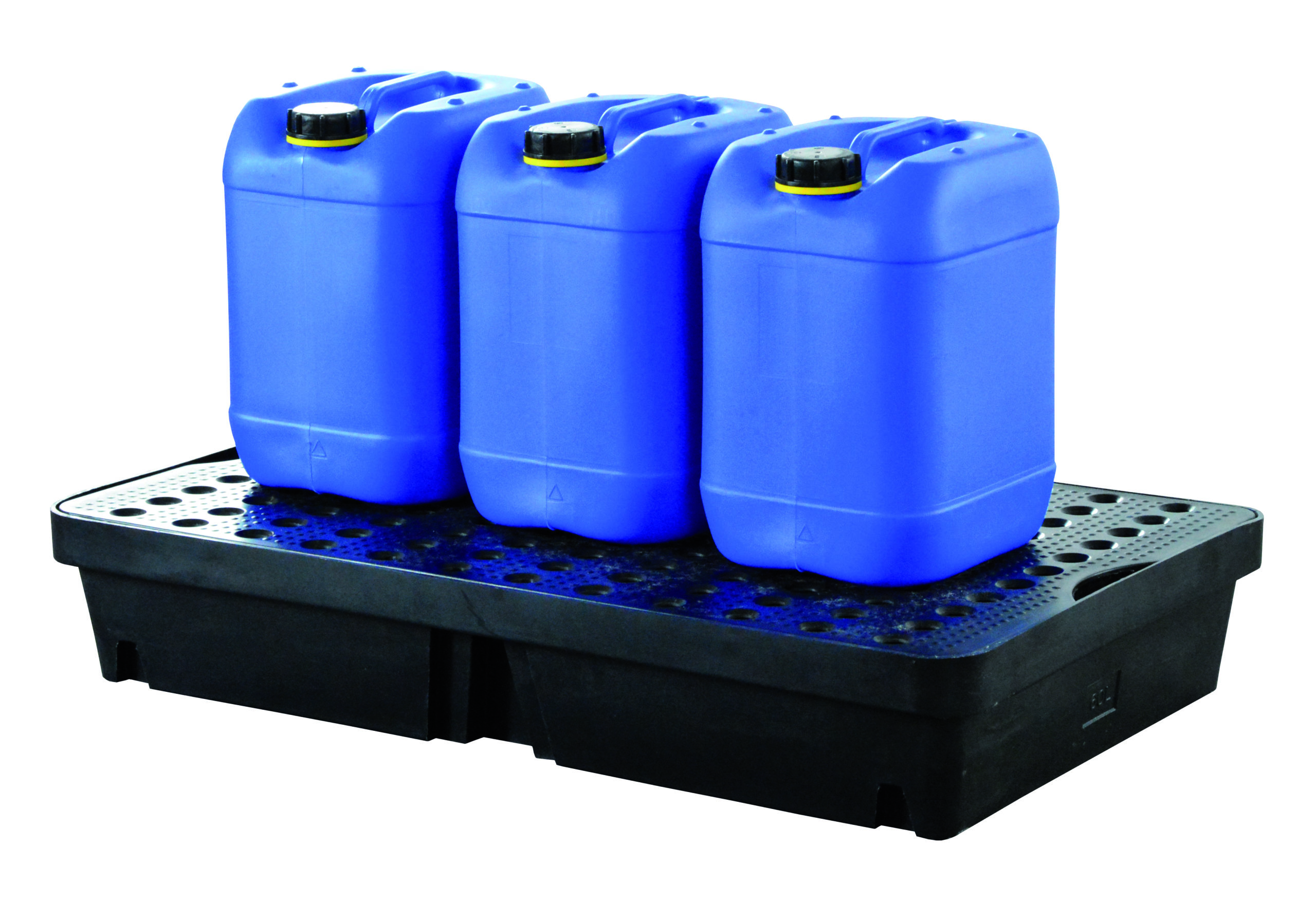
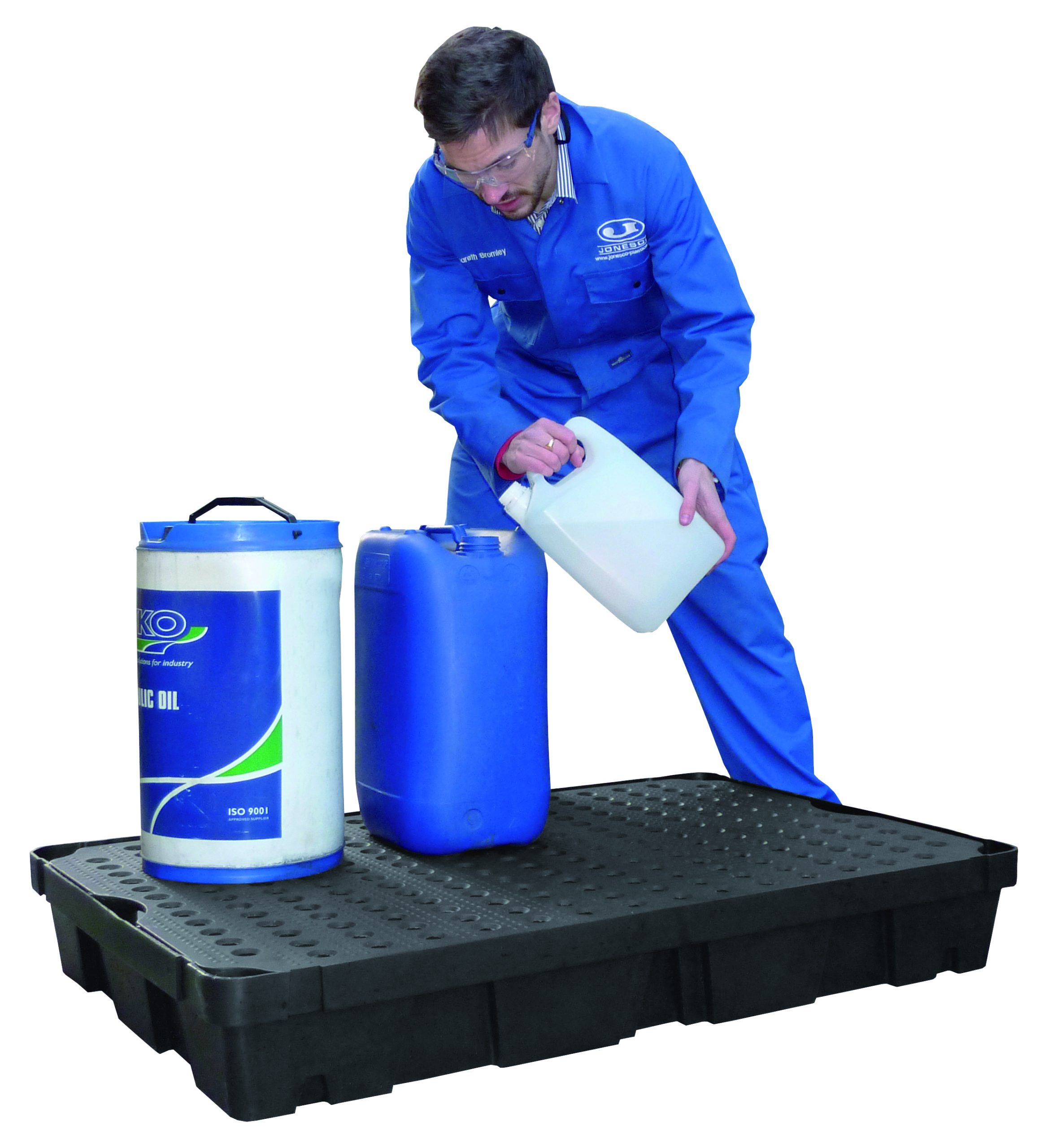
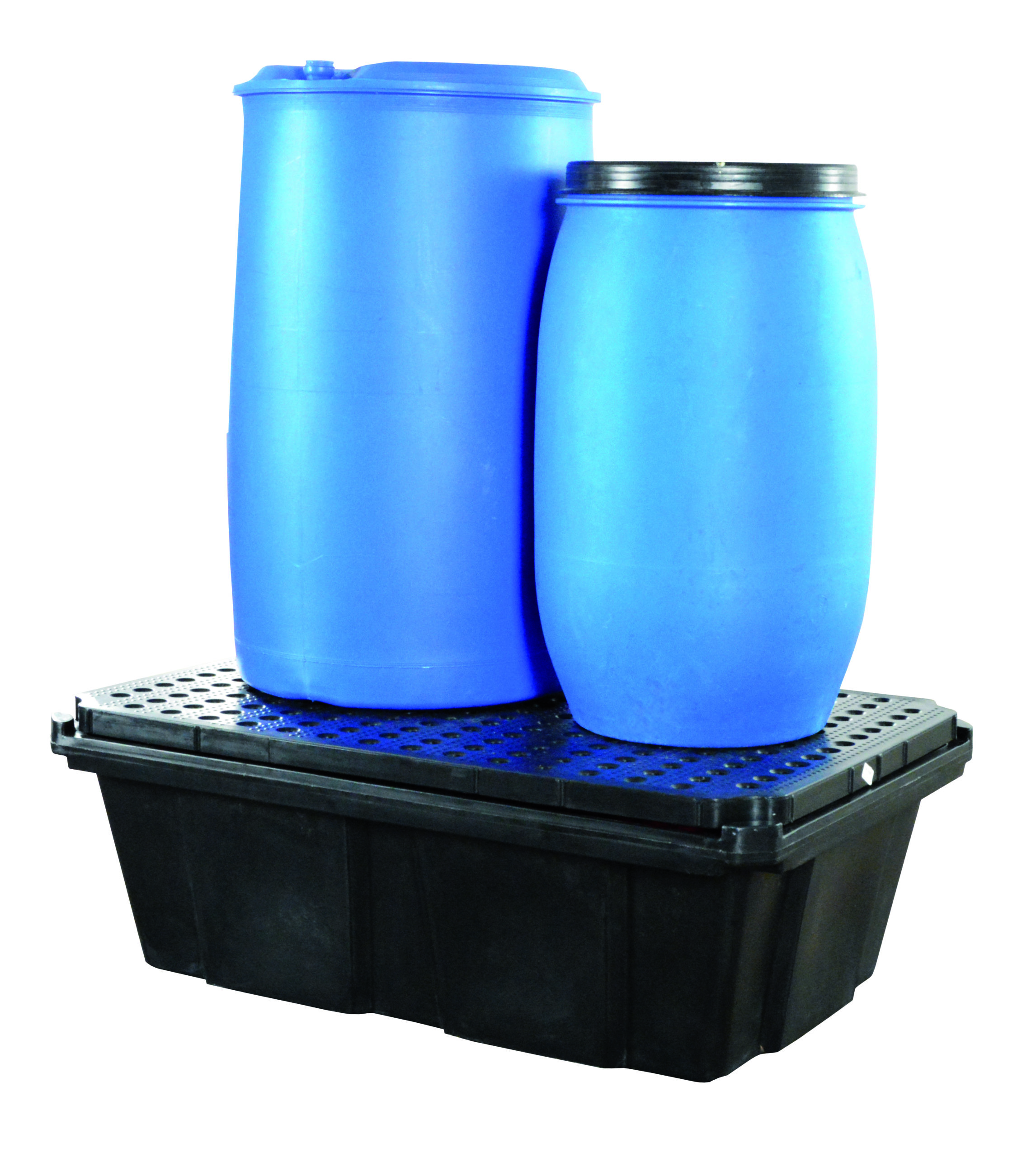
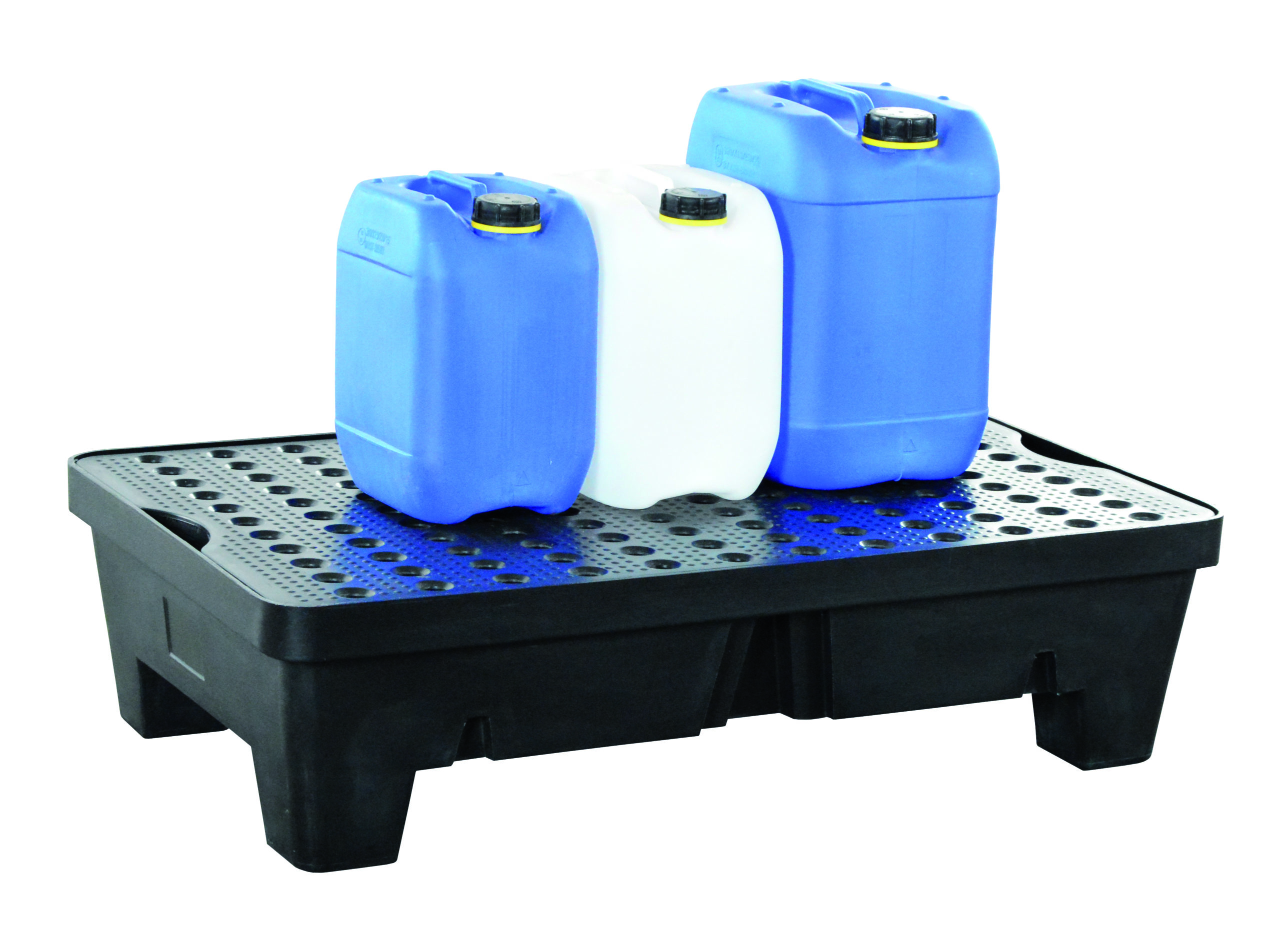
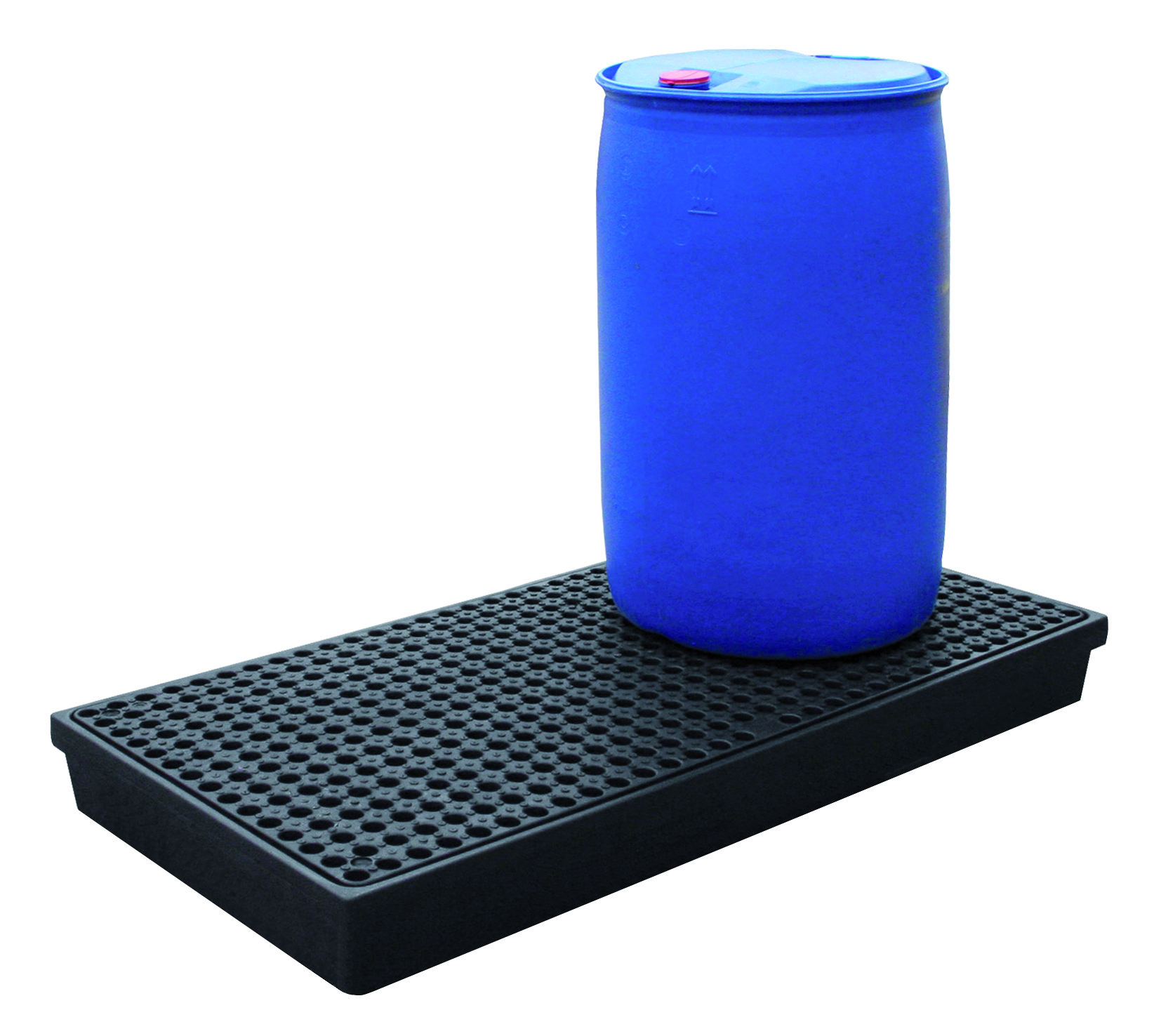
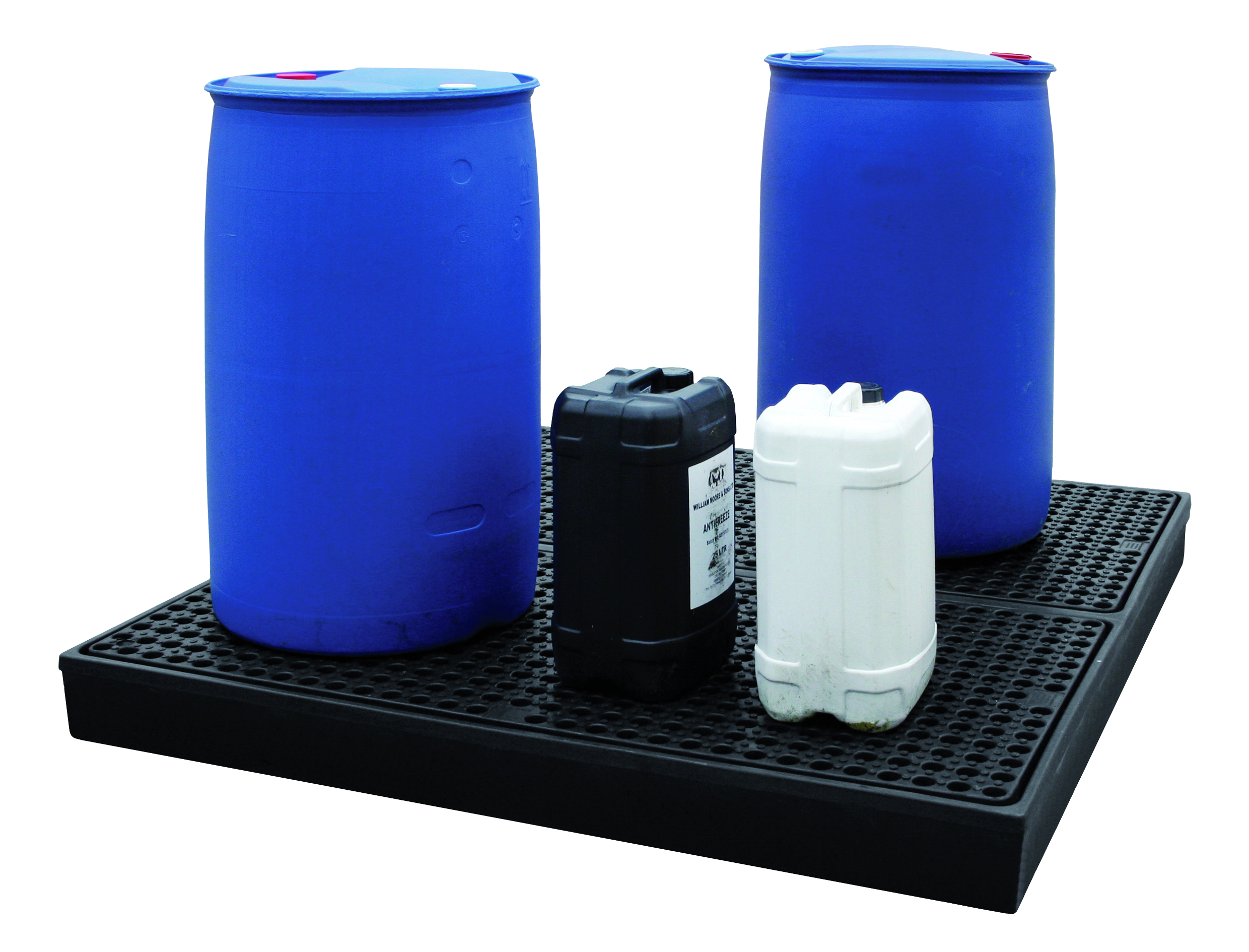
PE – Trays for storing small containers, canisters and 60/120-litre drums
For the storage of water-polluting and corrosive substances
- Rotationally moulded tub body made of black PE
- For placement on the floor, on Euro pallets or on work tables and workbenches; PE-60/F is suitable for use under vehicles
- Shelf made from perforated PE sheet
- Also available without a shelf level for direct placement of containers
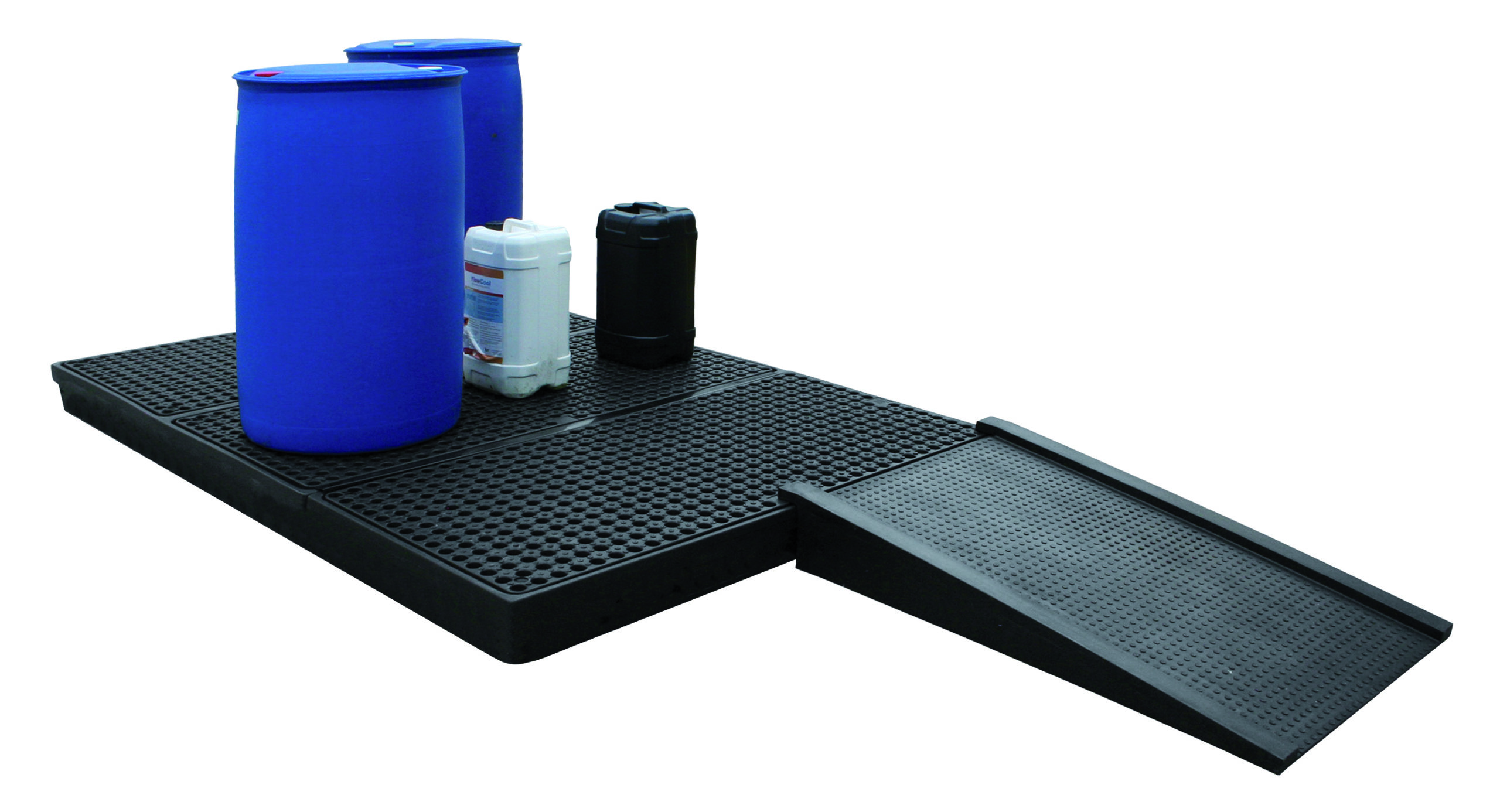
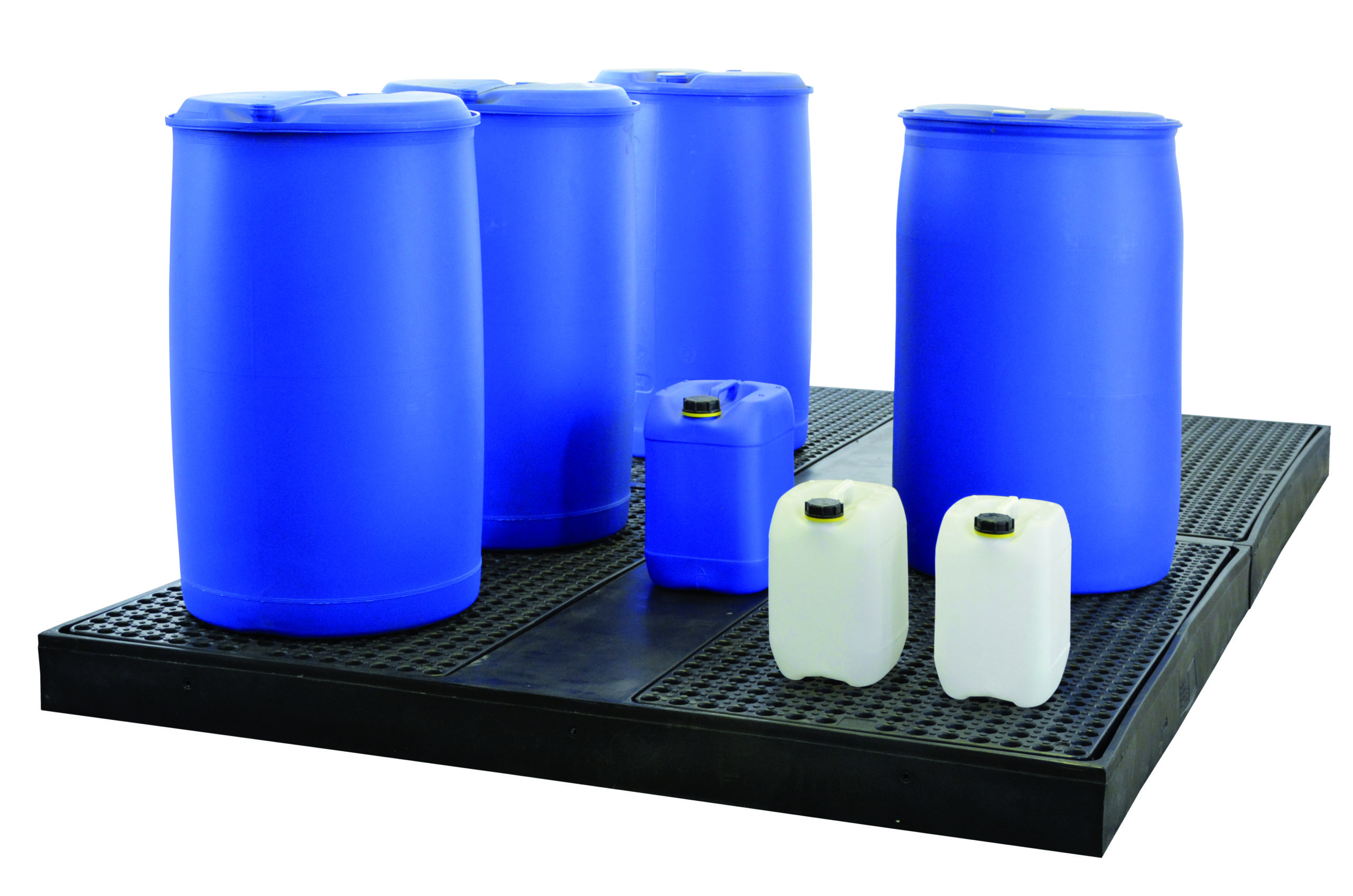
PE – Floor panels for the storage of drums and small containers
For the storage of water-polluting and corrosive substances
- Rotationally moulded tub body made of black PE
- Place flat on the floor
- Individual elements can be joined together using tray connectors
- Ideally suited for laying over large areas
- Shelf made from perforated PE sheet
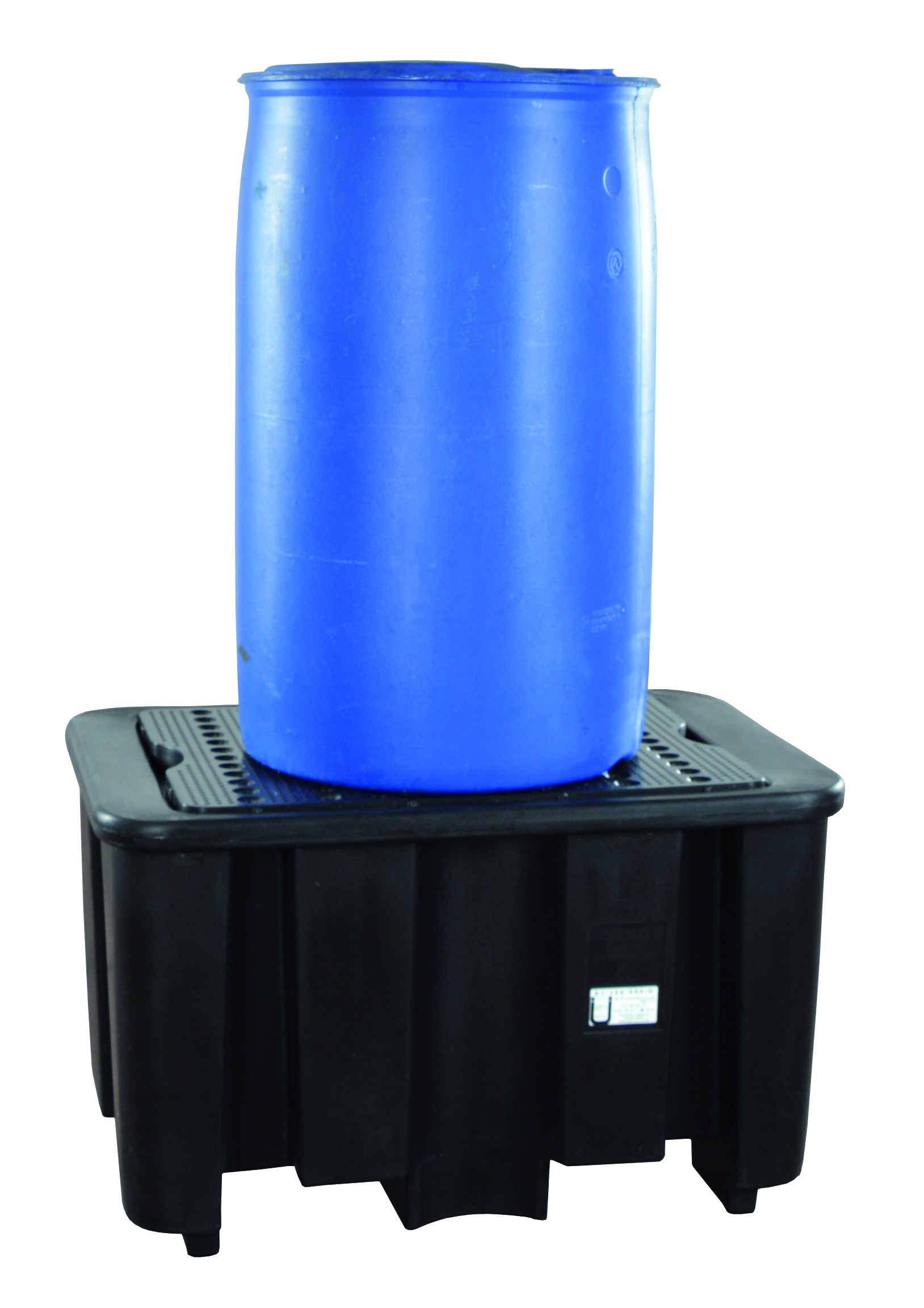
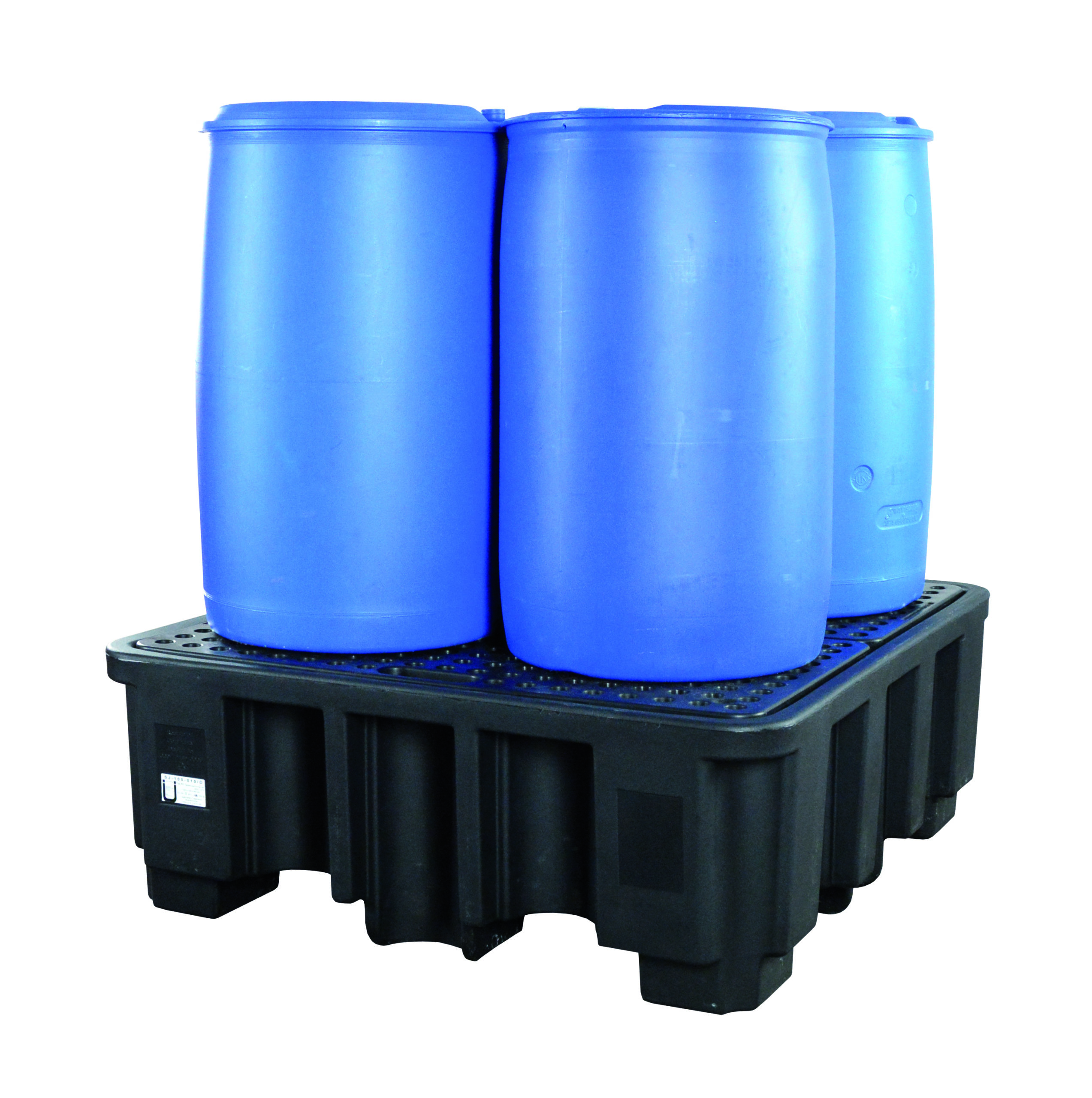
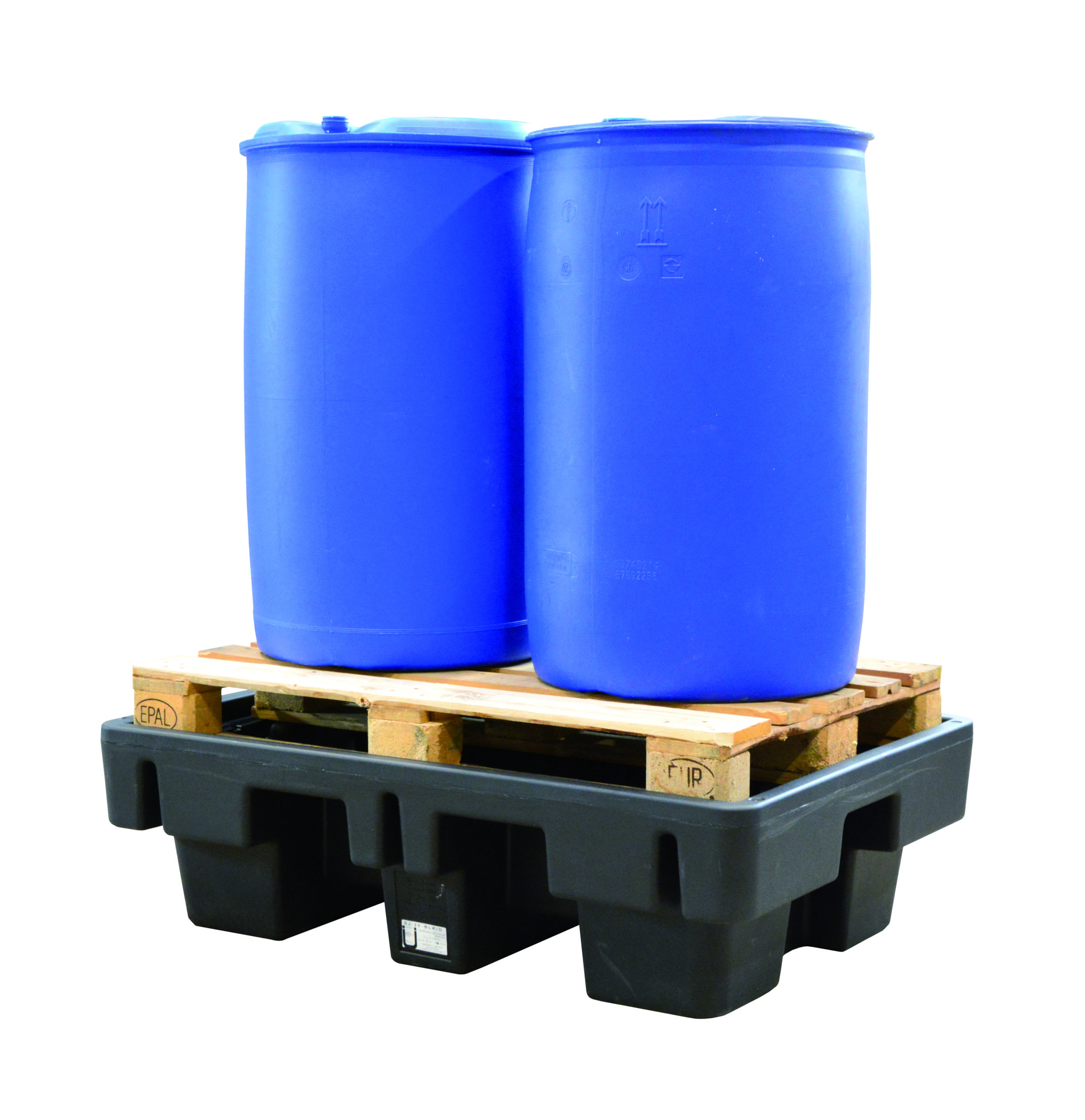
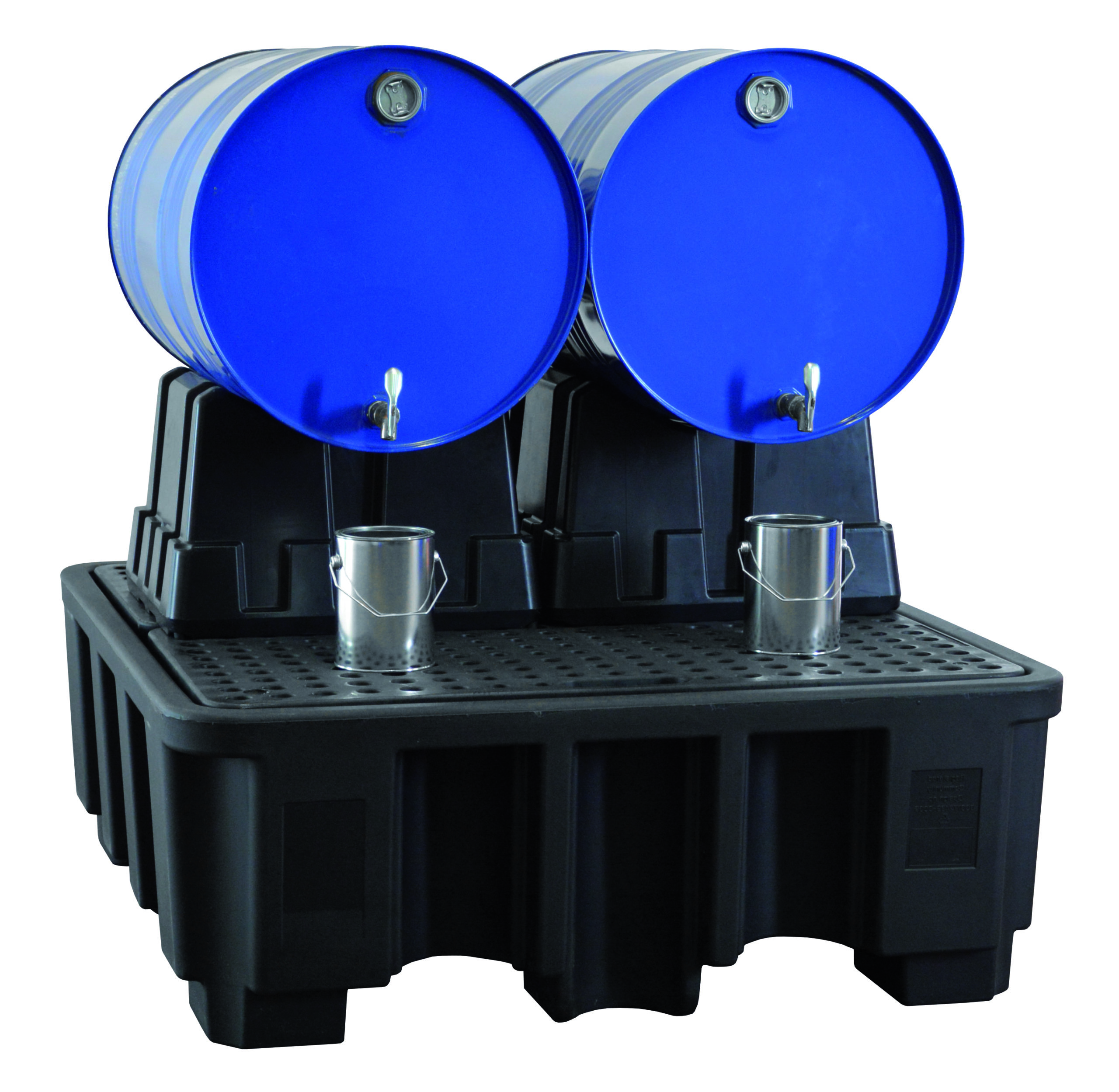
PE – Trays for storing 200-litre drums
For the storage of water-polluting and corrosive substances
- Rotationally moulded tub body made of black PE
- Perimeter stabilising ribs ensure high load-bearing capacity
- Ground clearance for internal transport
- Shelf level made from perforated PE sheet, or without a shelf level for the direct placement of Euro pallets
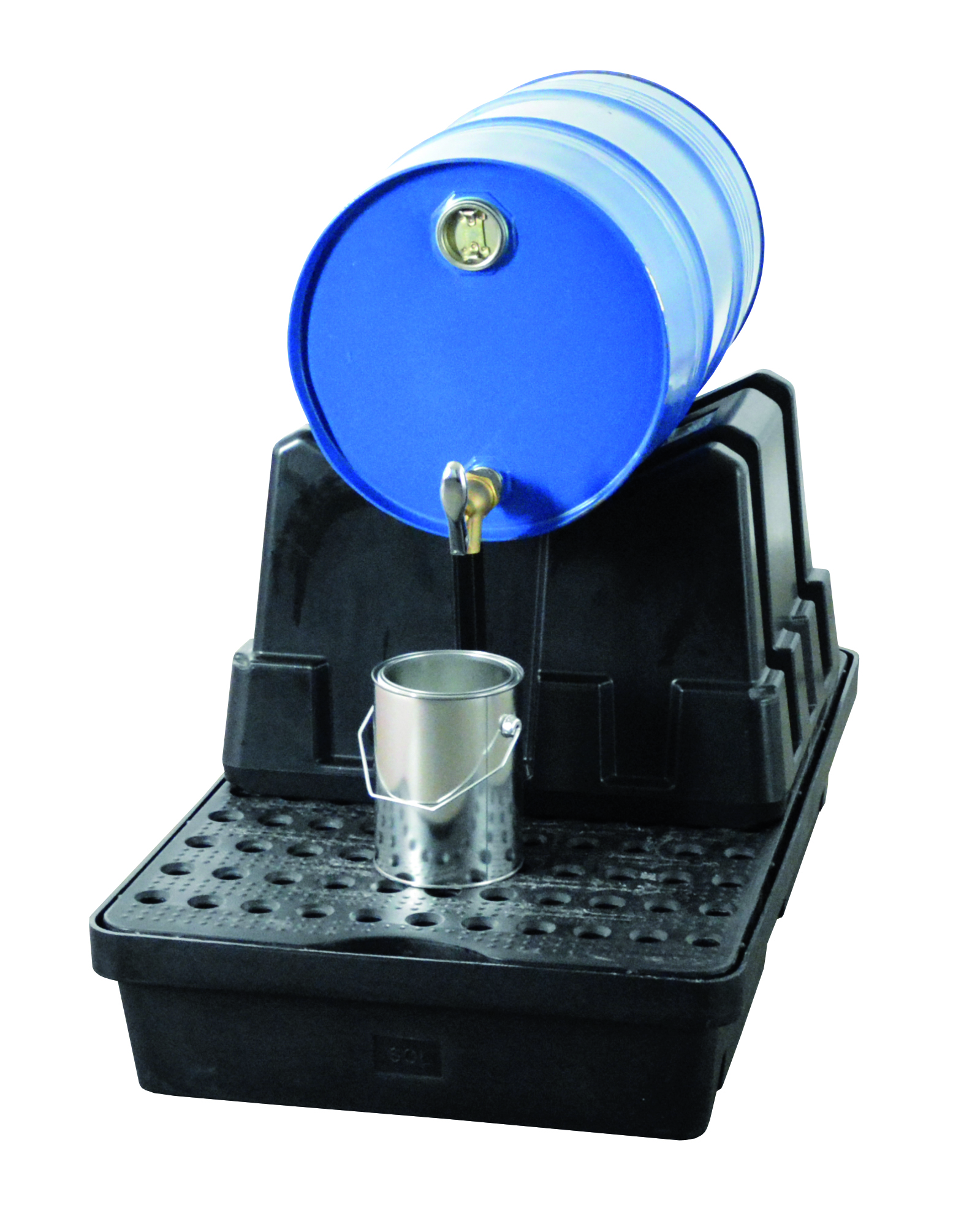
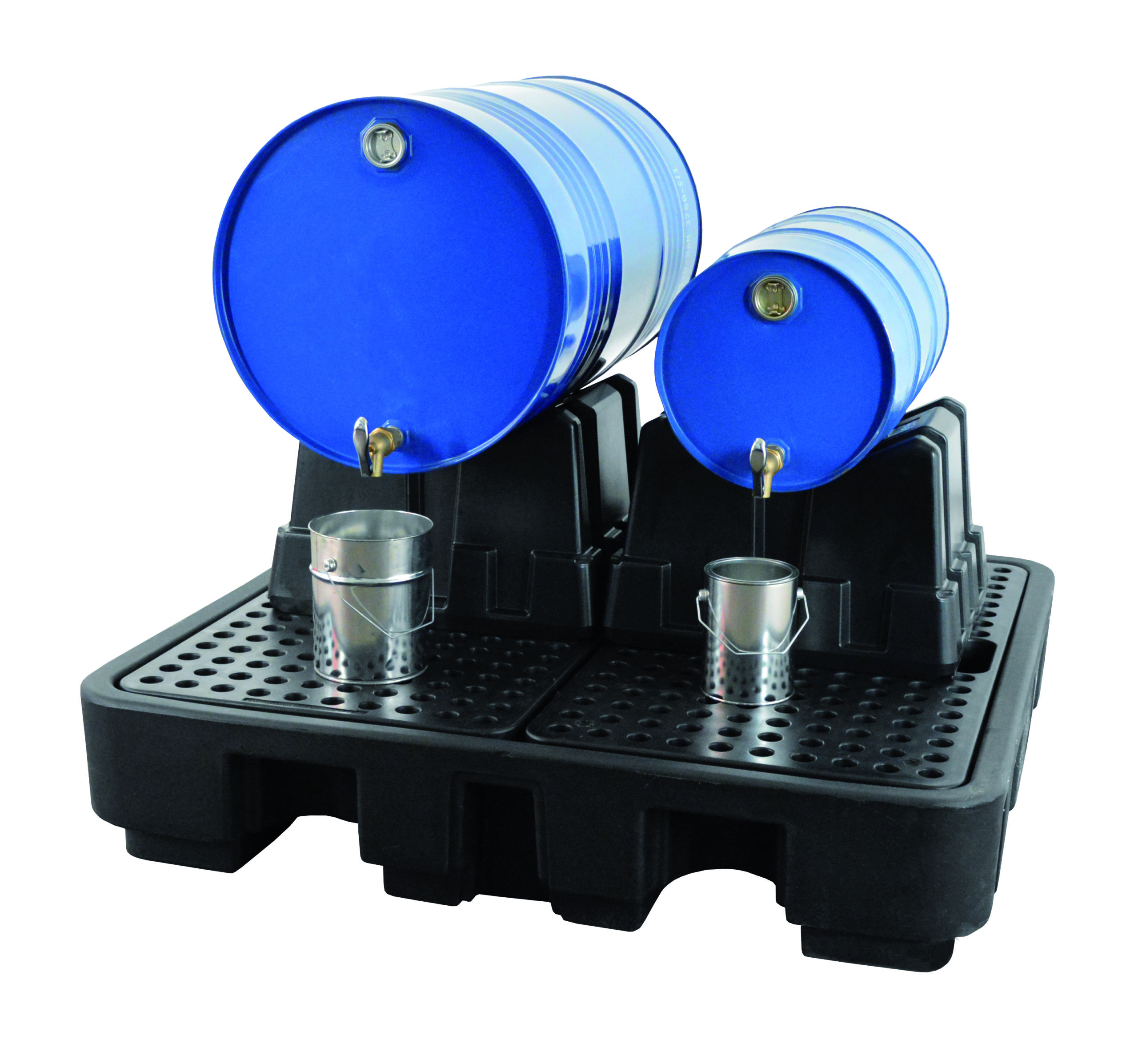
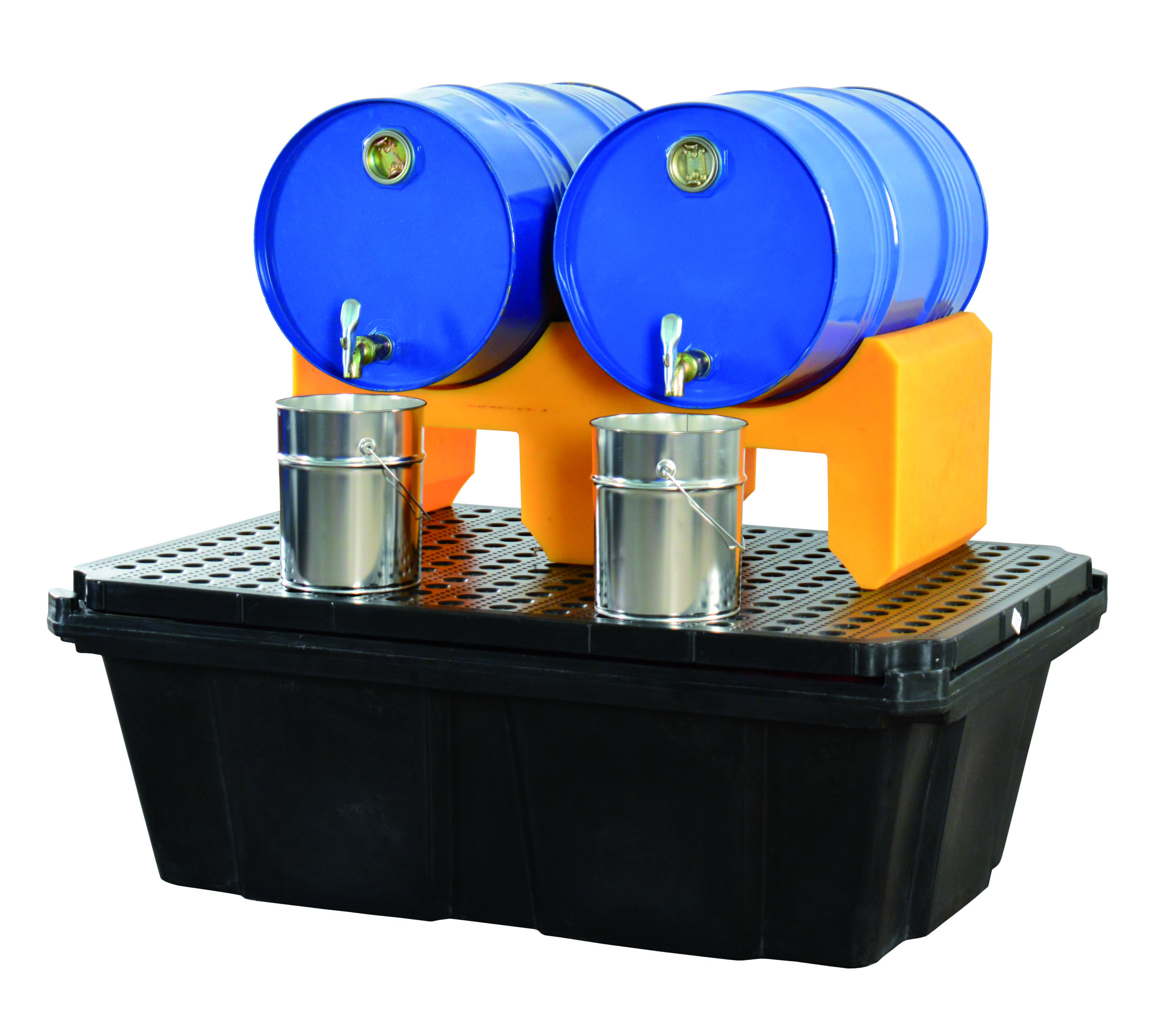
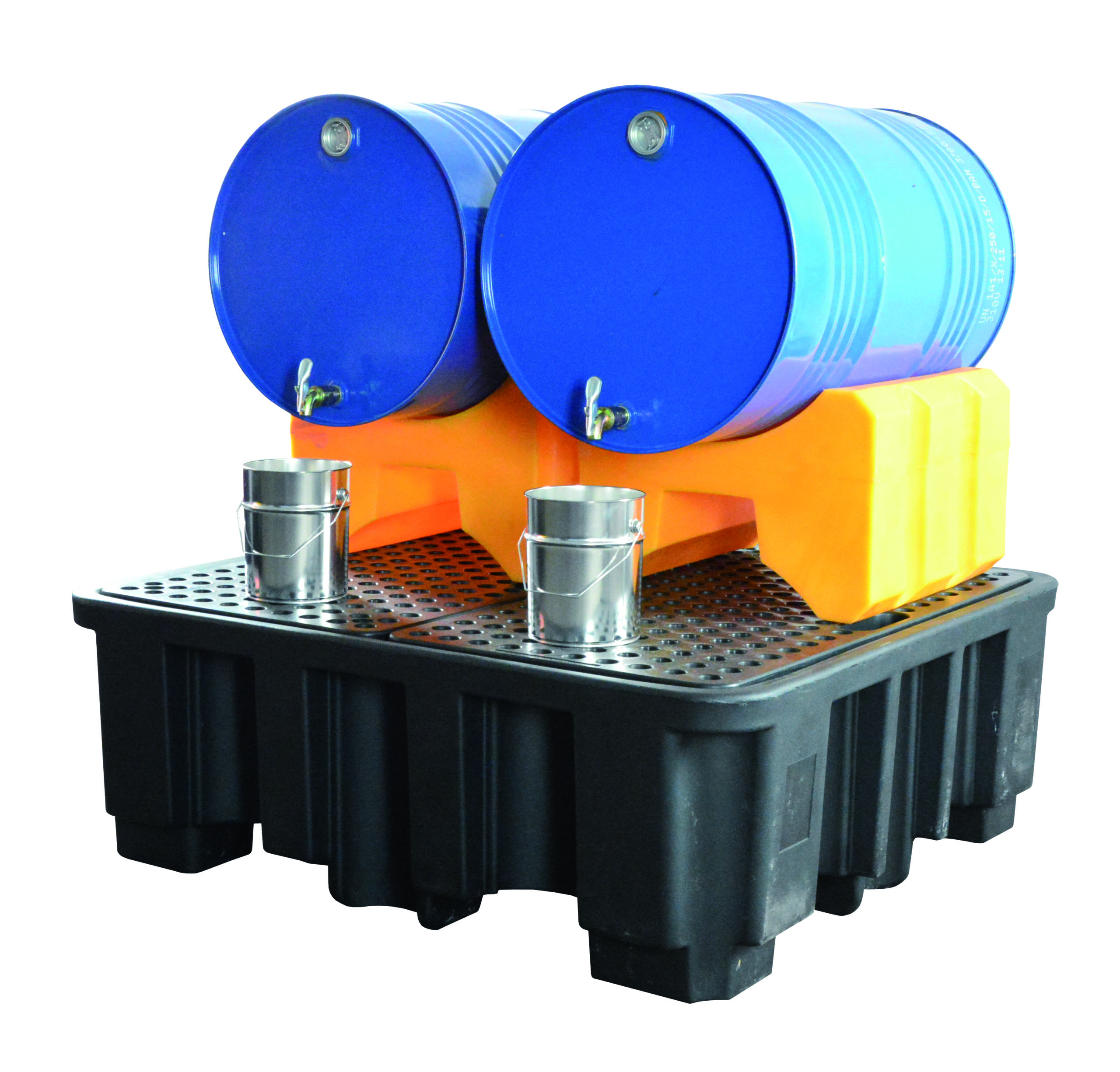
PE drum stands
For the horizontal storage of steel drums (60- or 200-litre drums)
- 1-barrel and 2-barrel models made from black PE
- When not in use, the barrel stand can be stacked to save space!
- Several barrel stands can be connected to one another simply by clicking them into place at the bottom of the stand.
Mobile PE sumps
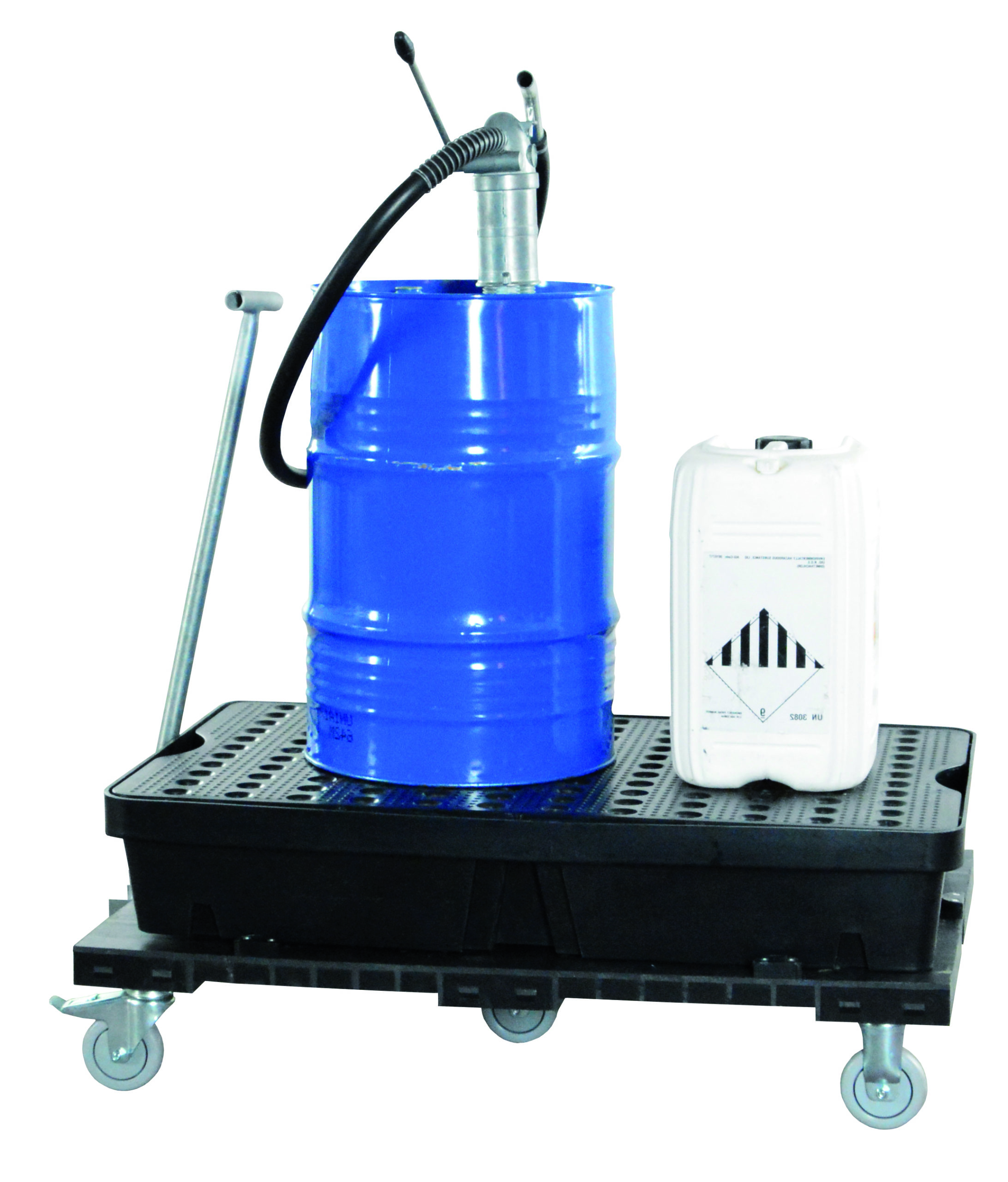
For the storage and transport of water-polluting and corrosive substances in 60-litre drums and small containers
- Rotationally moulded tub body made of black PE
- Perimeter stabilising ribs
- Available with or without a perforated PE sheet
- PE structure with galvanised tie rod
- With 3 swivel castors and 2 fixed castors (solid rubber, ø 100 mm)
- Load capacity 200 kg
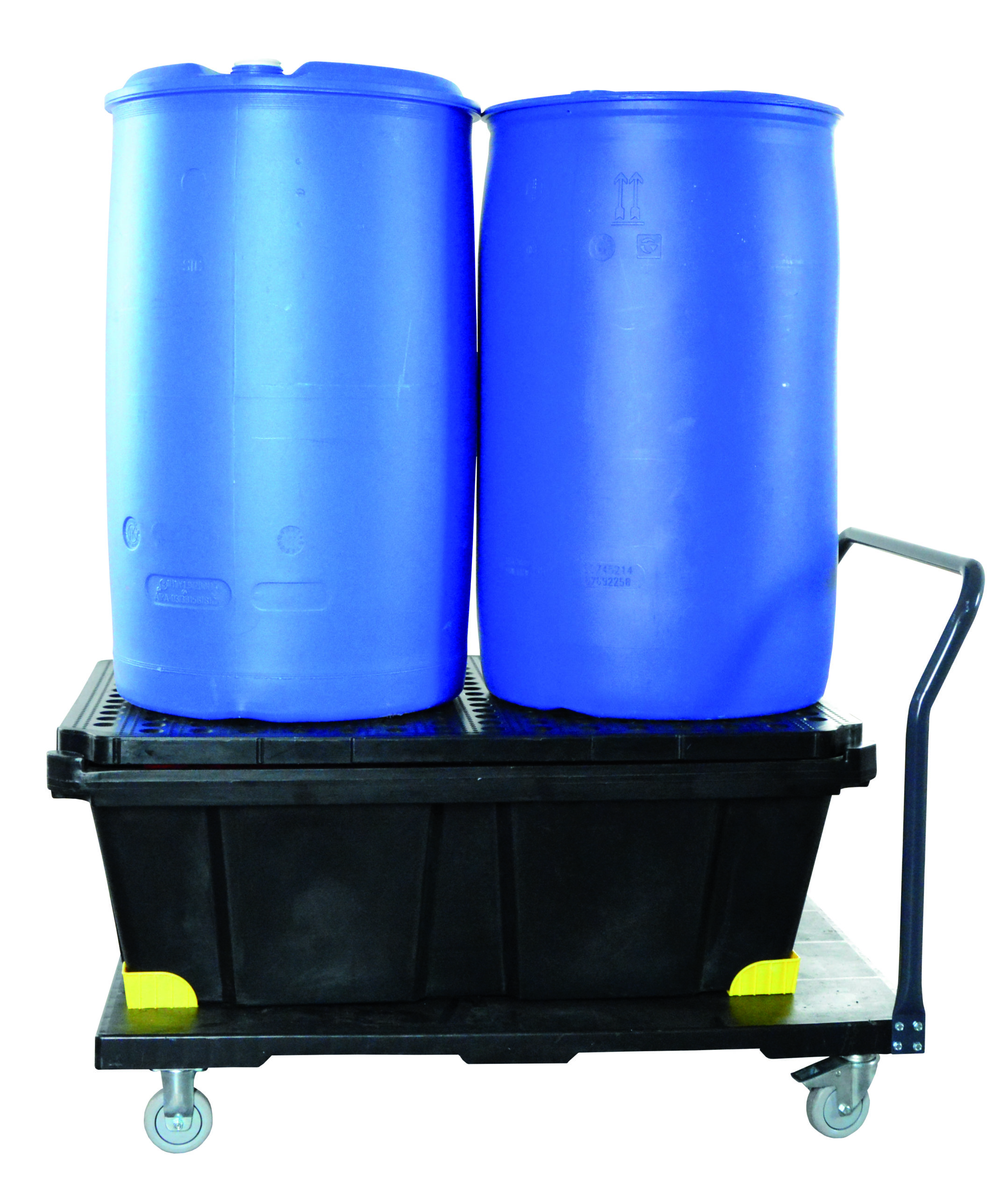
PE-200-6 trolley with PE perforated panel
For the storage and transport of water-polluting and corrosive substances in 200-litre drums
- Rotationally moulded tub body made of black PE
- Perimeter stabilising ribs
- Available with or without a perforated PE sheet
- PE construction with steel sliding bracket
- With 3 swivel castors and 2 fixed castors (solid rubber, ø 100 mm)
- Load capacity: 500 kg
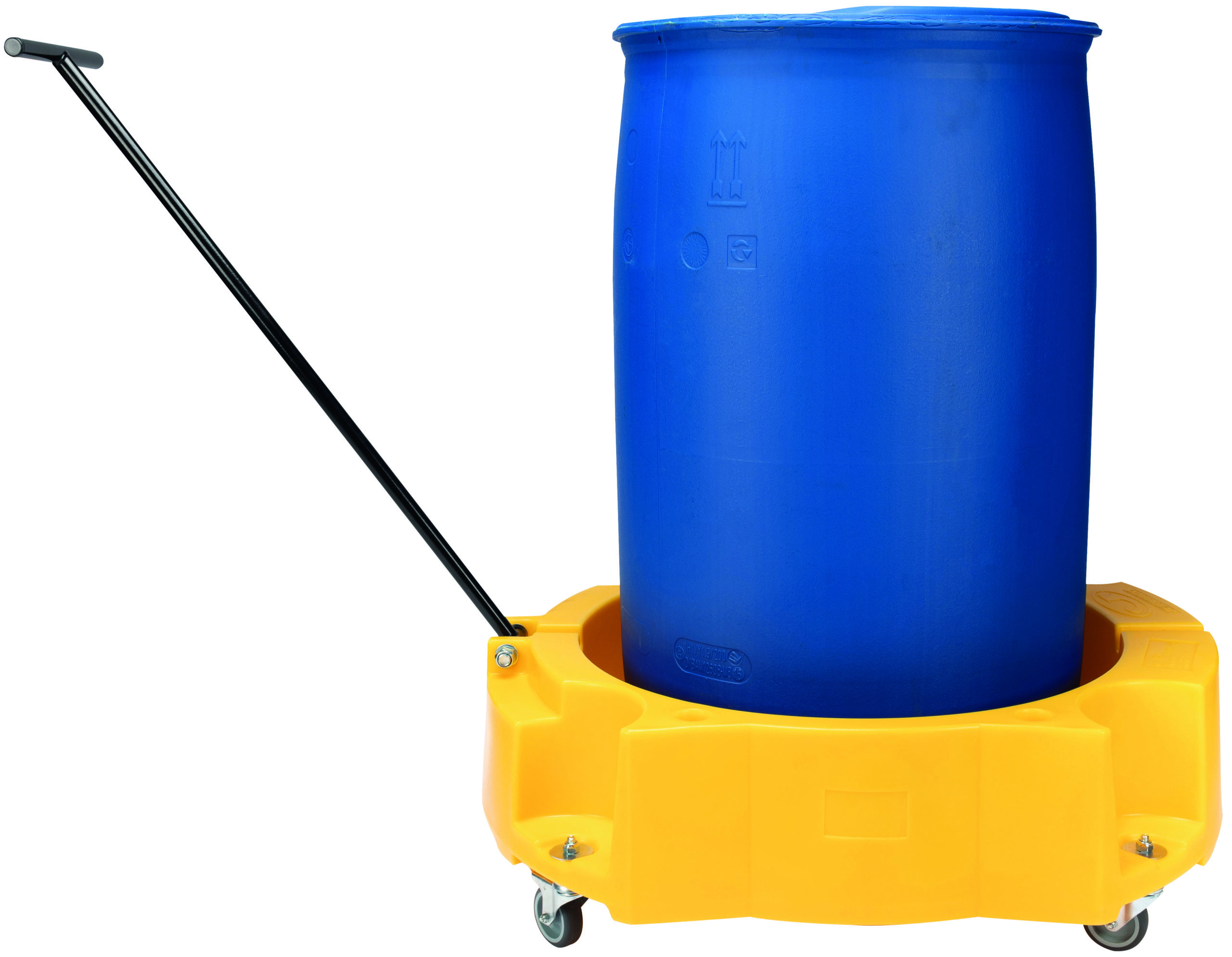
PE drum trolley
For the internal transport of 60-litre and 200-litre drums
- Material: yellow PE
- Robust construction
- With 2 swivel castors and 2 fixed castors
- Foldable tow bar
- Fitted with a spout for pouring out small spilled amounts
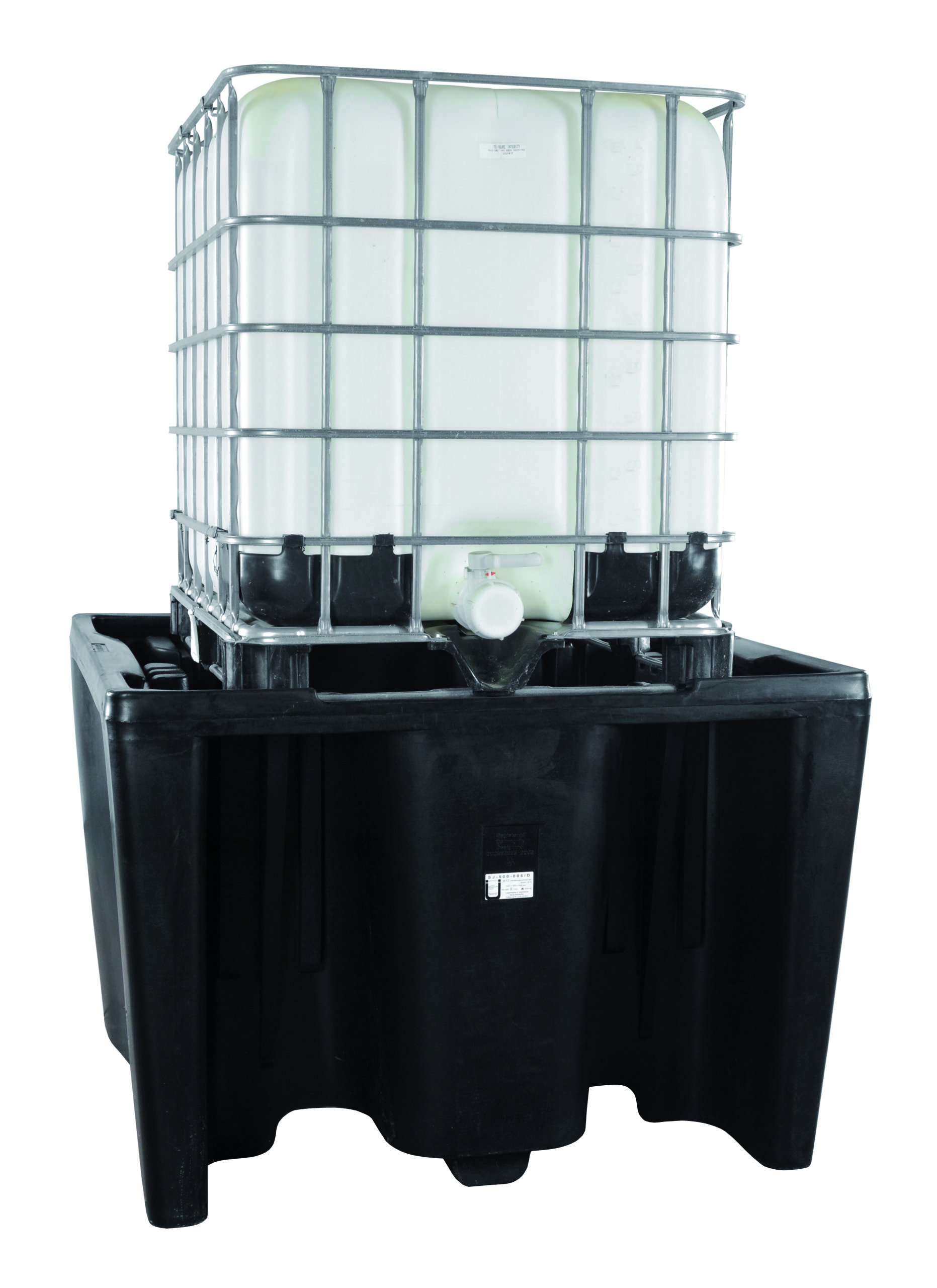
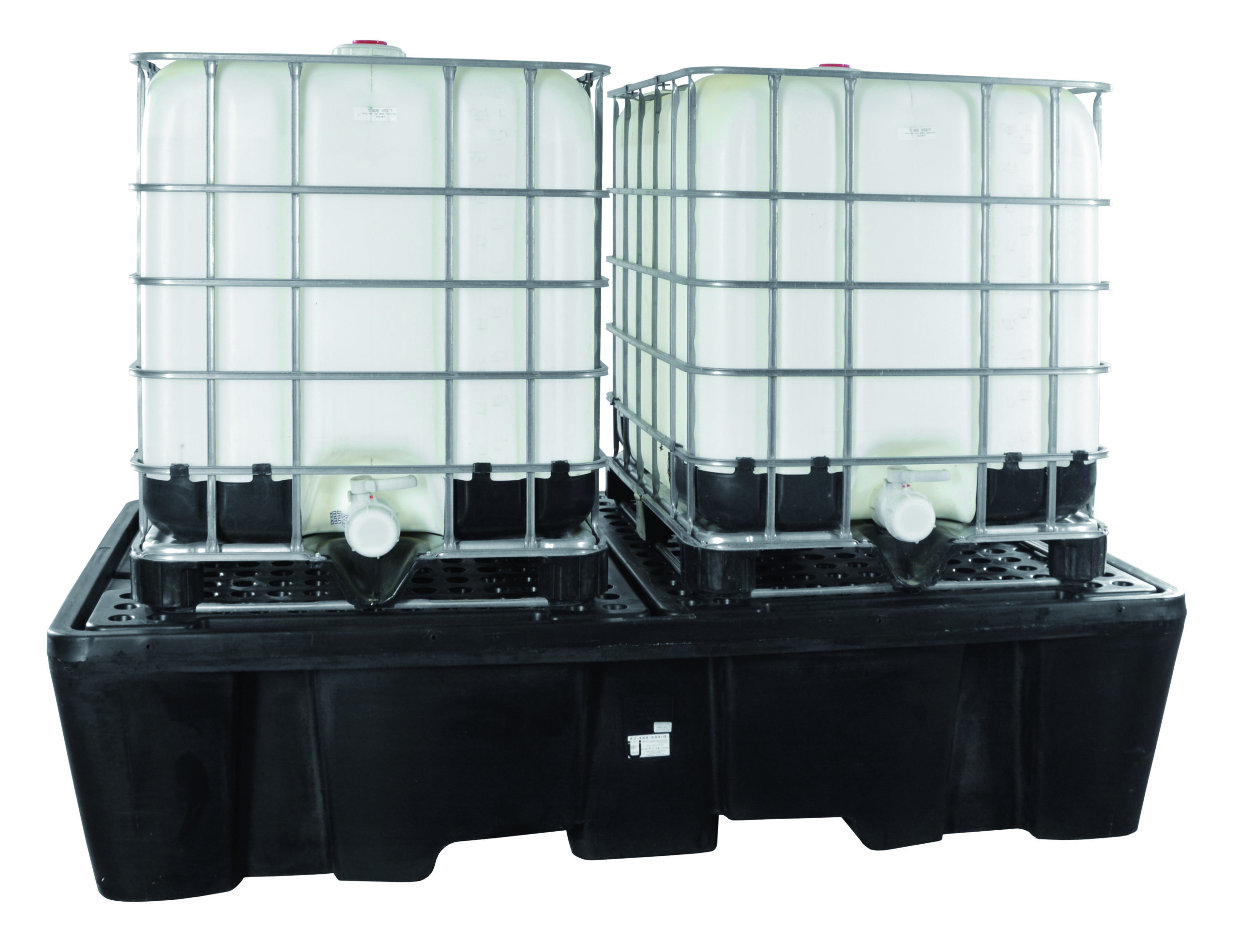
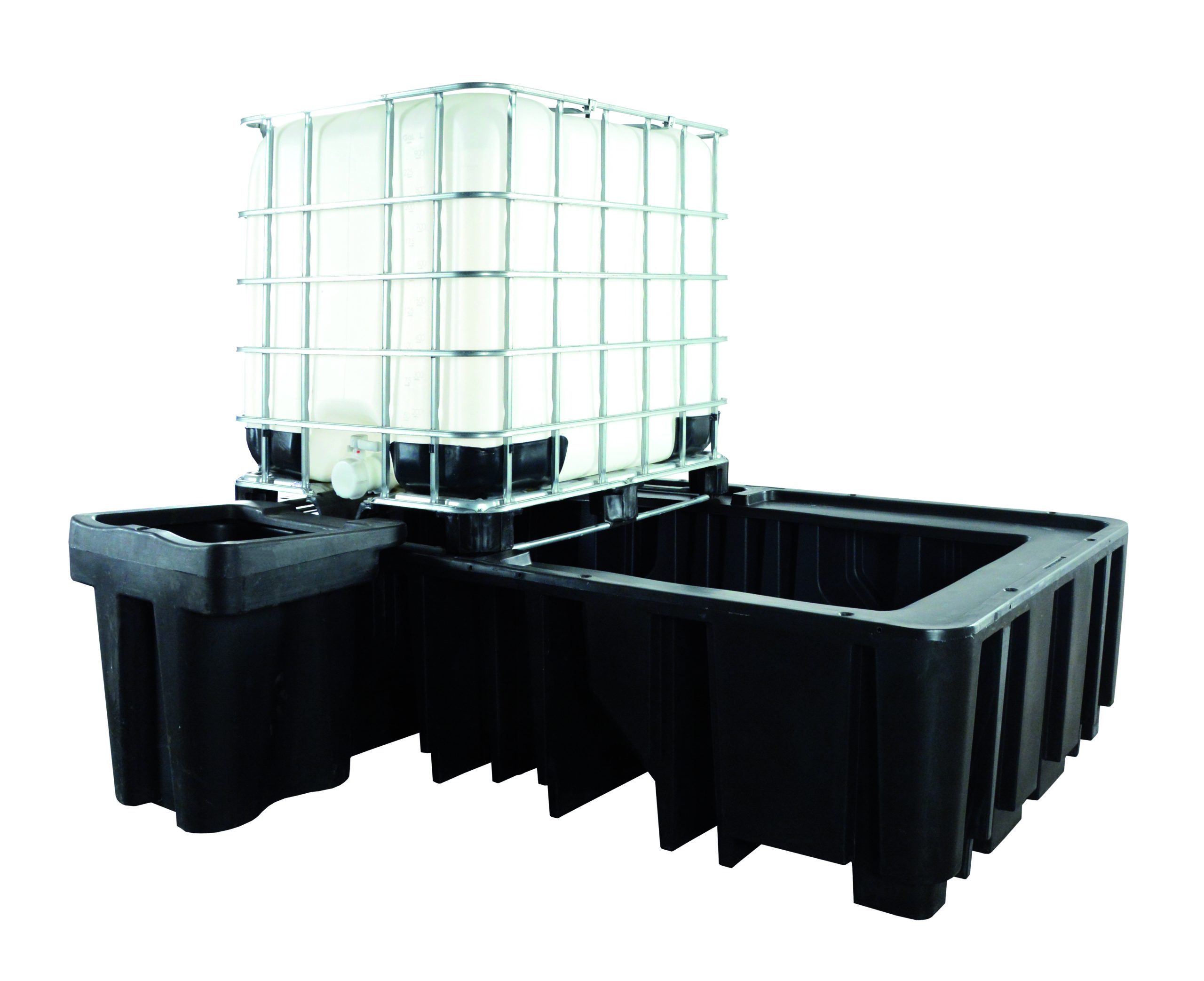
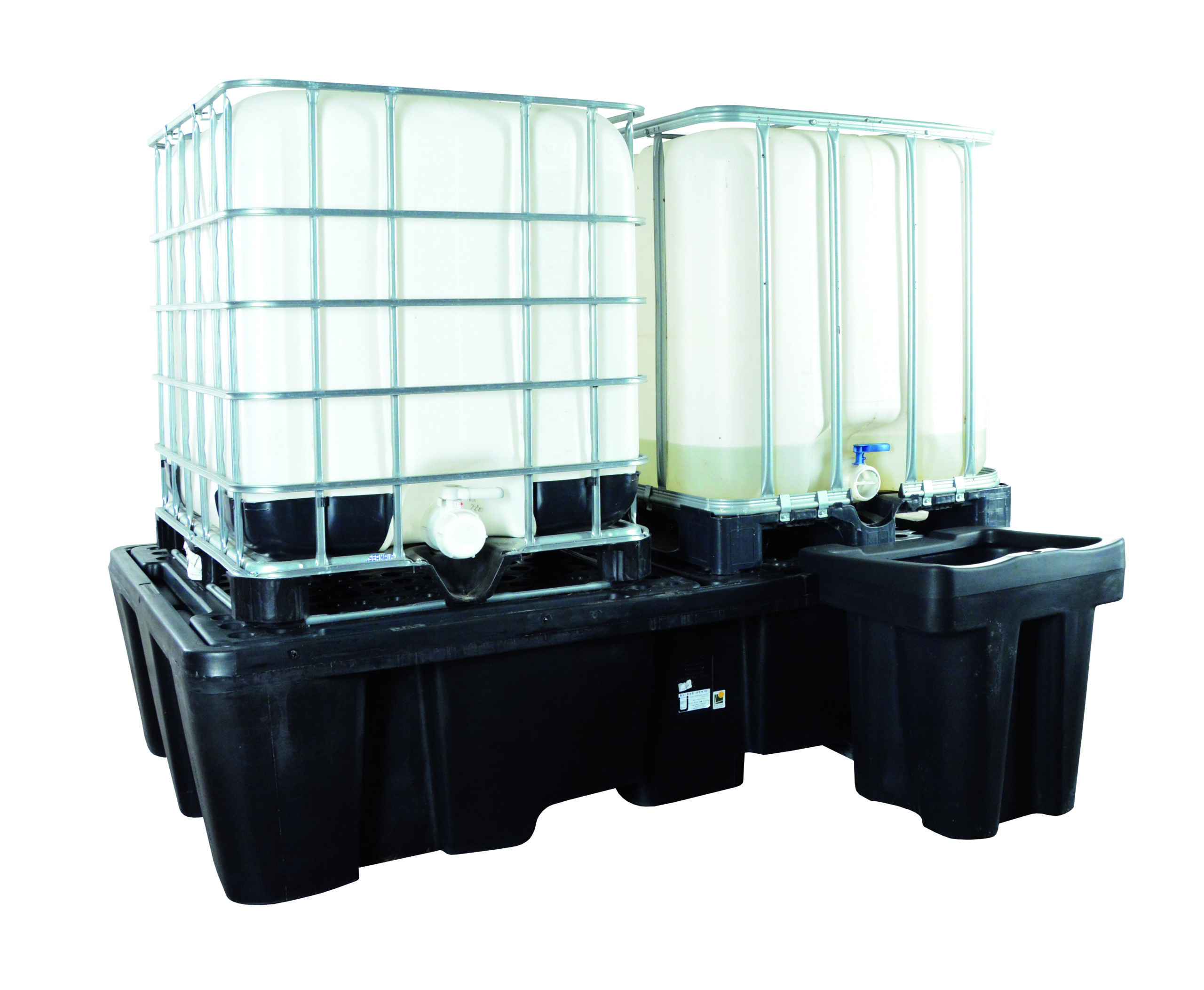
PE – Trays for KTC / IBS – Storage
For the storage of water-polluting and corrosive substances
- Rotationally moulded tub body made of black PE
- Perimeter stabilising ribs ensure high load-bearing capacity
- Ground clearance for internal transport
- Shelf made from perforated PE sheet, or without a shelf for direct placement of IBC containers
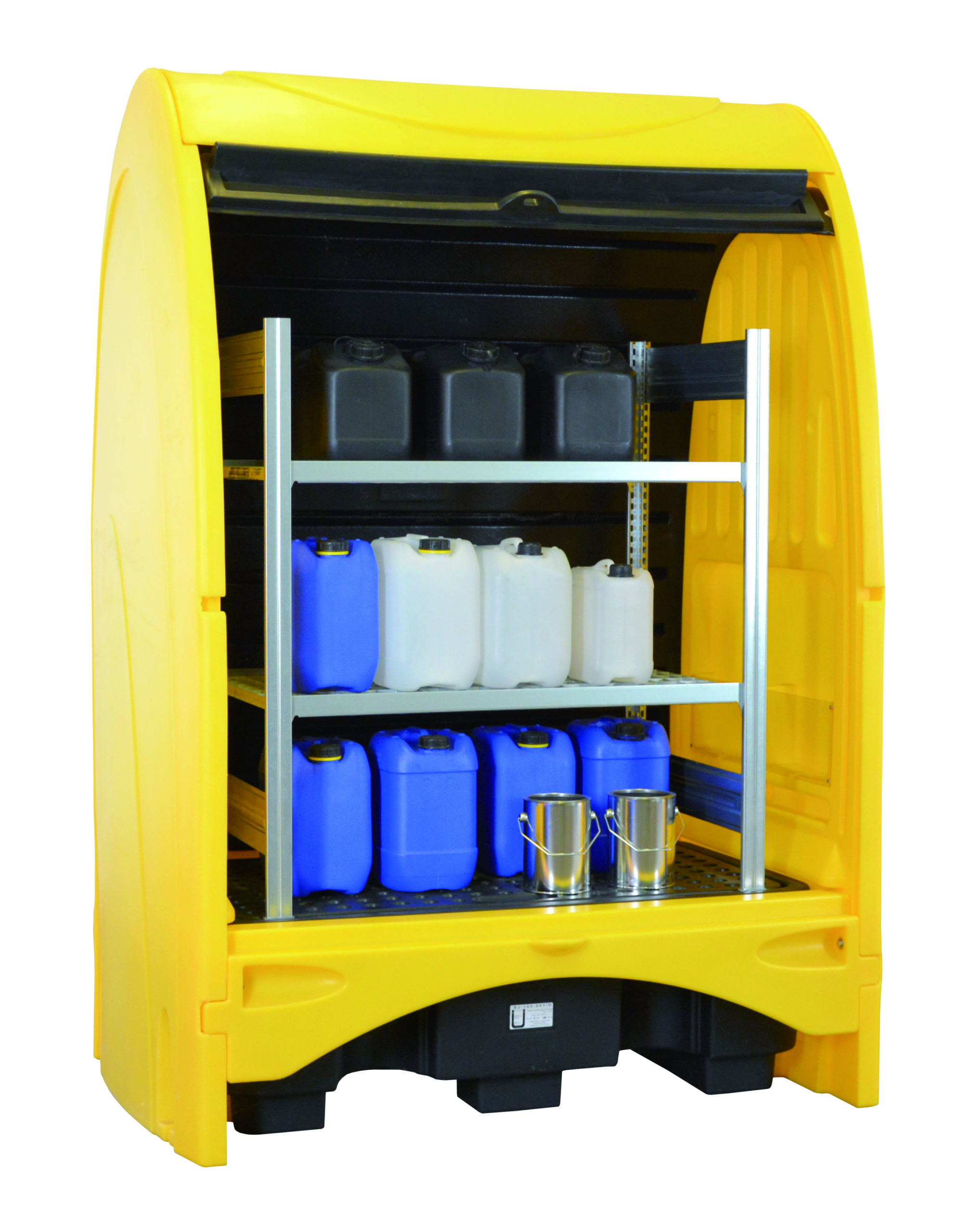
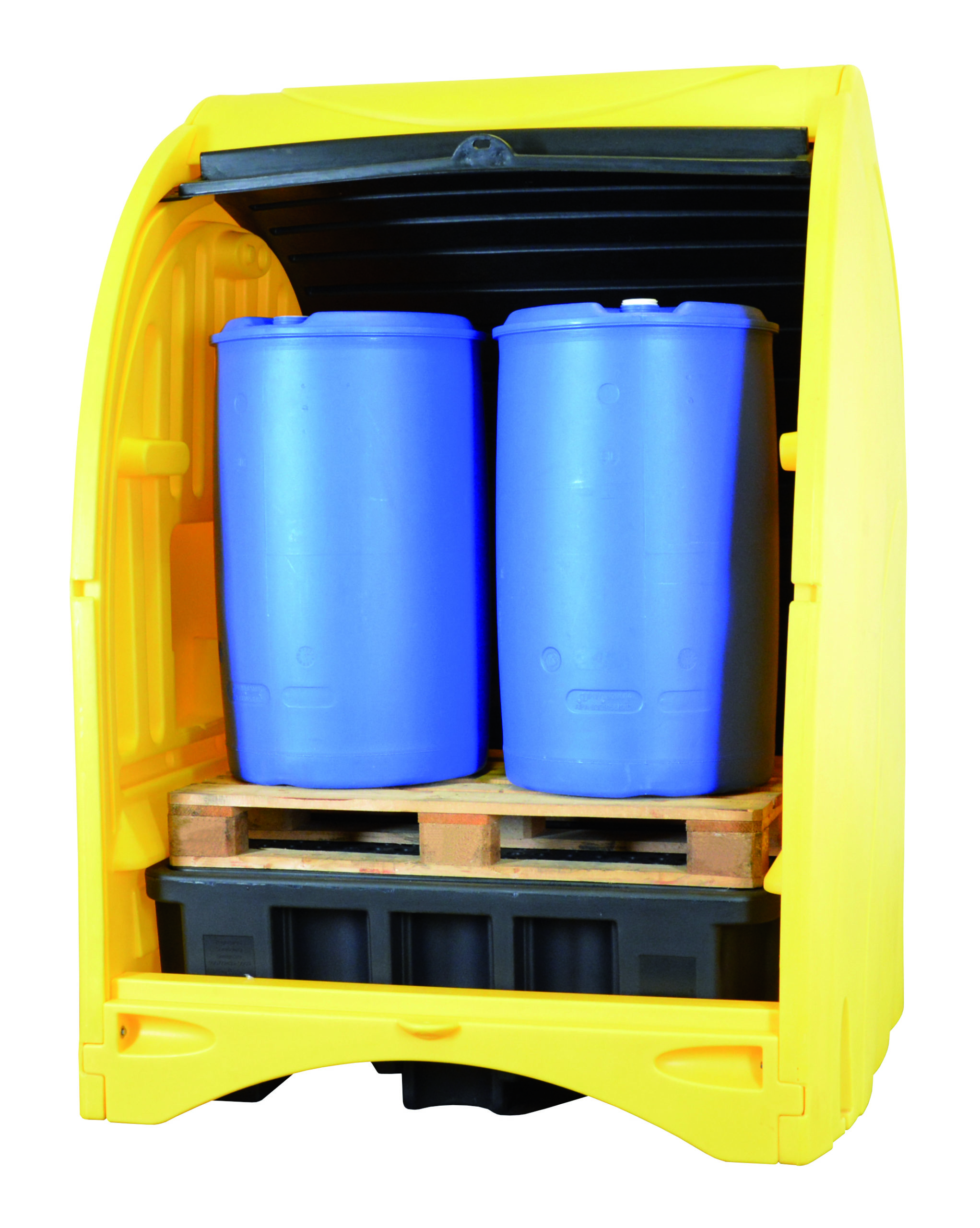
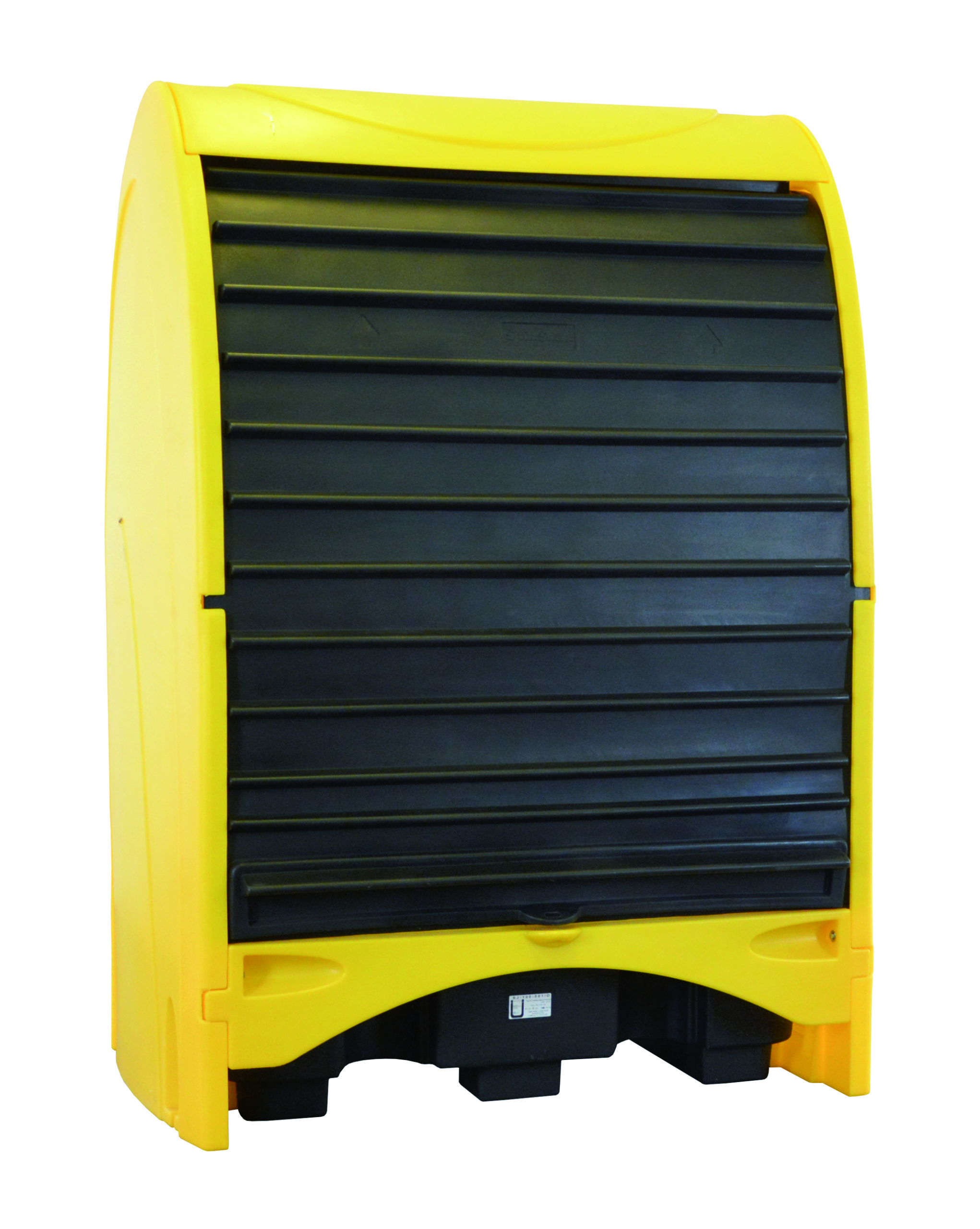
Hazardous substances station for PE drums
For the storage of water-polluting and corrosive substances, indoors or outdoors
- Rotationally moulded structure in yellow, with a black PE basin
- Perimeter stabilising ribs
- Clearance for internal transport
- Shelf made from perforated PE sheet
- Weather protection provided by a black PE louvre, lockable with a customer-supplied padlock
- Document storage in the side panel as standard
- Spill trays with general building approval from the DIBt Berlin
- Delivered as a kit for easy self-assembly on site
Hazardous substances station for KTC / IBC made of PE
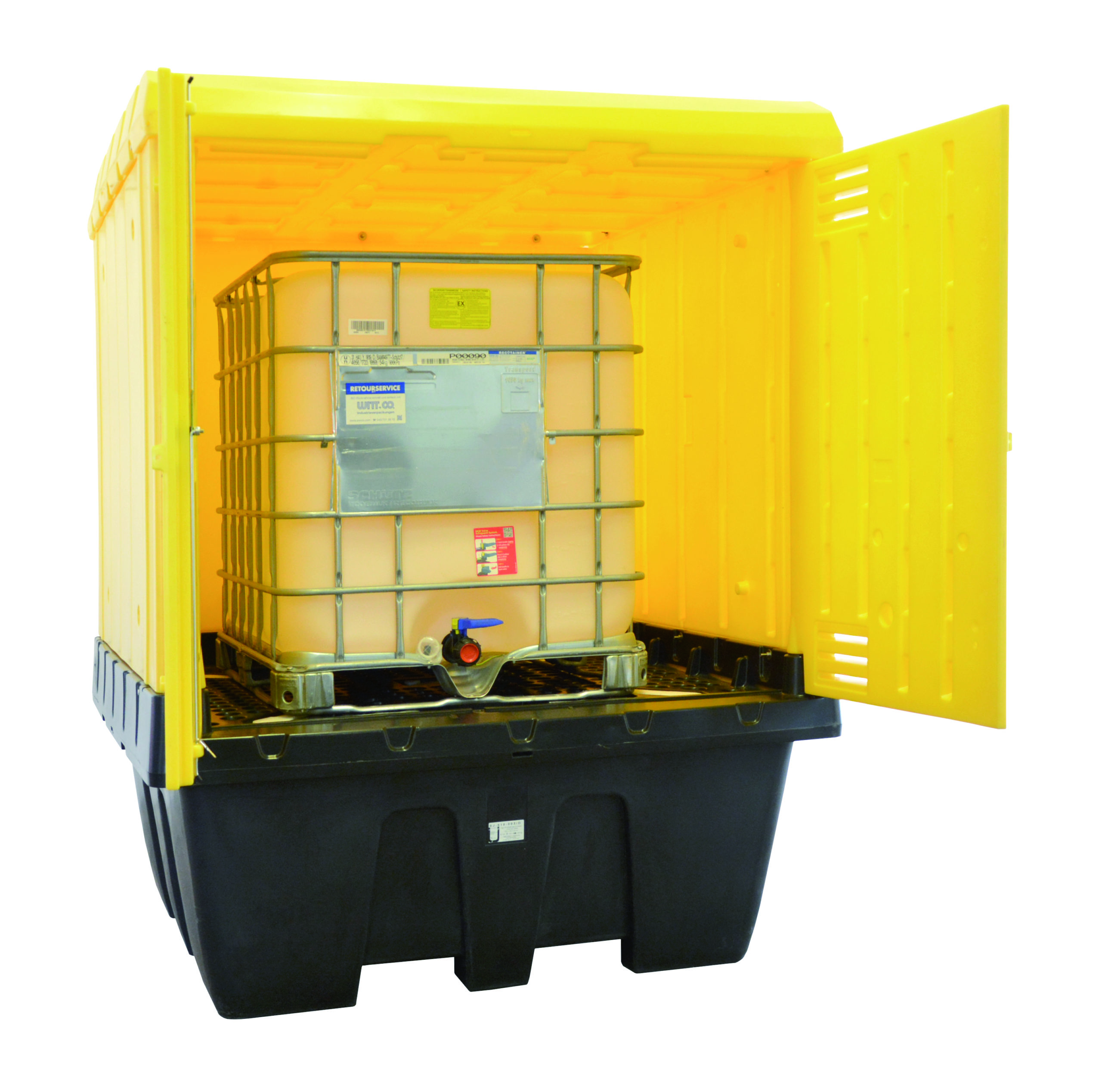
For the storage of water-polluting and corrosive substances, indoors or outdoors
- Rotationally moulded structure in yellow, with a black PE basin
- Perimeter stabilising ribs
- Clearance for internal transport
- Shelf made from perforated PE sheet
- Lockable double-leaf door
- Spill trays with general building approval from the DIBt Berlin
- Delivered as a kit for easy self-assembly on site
Verified stability & DIBt approval
Load tests for LaCont PE spill trays
A prerequisite for obtaining a General Building Authority Approval dated DIBt Berlin were stress tests that had to be passed successfully
As part of the certification process, tests were carried out on the spill trays, including water-filling tests, deformation measurements and, above all, load tests
-
- 4-fold working load: All tests involving at least four times the operating load were successfully passed
- Maximum load capacity: Proven stability even under extreme conditions
FAQ – Frequently asked questions about PE spill trays
Here you will find answers to frequently asked questions about PE spill trays
When do I need PE spill trays?
Polyethylene (PE) spill trays offer high durability resistant to corrosive substances such as acids and alkalis, so they are often the right choice. They can also be used for many non-flammable substances, such as oils. It can also be helpful to check the material of the original container in which the hazardous substance was supplied by the manufacturer; this is a simple but very reliable method. Ideally, you should consult the substance’s safety data sheet; here you will find all the information you need on correct storage.
Are there also steel spill trays with a PE lining?
Lacont can generally also Steel spill trays Line with PE. This is mainly used when the spill trays have to bear heavy loads or when specific tray dimensions are required which are not available with standard PE trays.
Please note that the PE linings are fitted at the factory and cannot be fitted at a later date.
What should you do if flammable acids or alkalis are being stored?
When flammable acids or alkalis are stored, spill trays (or the PE lining of the steel tray) must be made of conductive PE; in most cases, steel sumps with conductive PE liners are used; these sumps combine the high resistance of plastic to corrosive substances with the conductive properties that are otherwise often only offered by metal sumps.
Do LaCont’s PE spill trays have type approval?
Yes, our PE drip trays have the necessary certification marks and general building authority approvals from the DIBt Berlin (German Institute for Building Technology). They therefore comply with the legal requirements of the Water Resources Act (WHG) for use in Germany.
What capacity does the tray need?
The collection capacity must be at least 10 % of the total quantity stored above the sump amount to – but in any event at least the Volume of the largest single container. The higher of the two values is decisive. In water protection areas, the 100% sump must be capable of accommodating the volume stored above it.
Can I store different hazardous substances together in a single sump?
Only if no hazardous reactions are to be expected and the rules on the storage of incompatible substances set out in TRGS 510 are observed. To this end, carry out a risk assessment and check the storage classes of the substances in question. The storage compatibility table in accordance with TRGS 510, as well as consulting the safety data sheets for the substances, is often helpful.
How often should spill trays be inspected?
Periodic inspections are mandatory in accordance with the WHG, AwSV, TRGS and the operating instructions for the sumps. A distinction can be made as follows:
Regular checks during operation. Should any damage occur or be detected whilst using or working with the trays, these trays must be taken out of service immediately. When using the trays on the premises, care must always be taken to ensure that they are kept free of any spilled substances, water or dirt.
Weekly inspection / visual check by trained operational staff for cracks, deposits and spilled liquids
Detailed inspection: For spill trays, a 2-year interval is often required for in-depth inspections. These must be carried out by external, independent and qualified testing bodies. The test results must be recorded in writing and retained for inspection by the authorities
Following any repair, a leak test must be carried out by the manufacturer or a specialist company.